If you've been feeling tired all the time, getting winded climbing stairs, or just can't seem to shake the fatigue no matter how much you rest, low iron might be the reason.
Iron is a vital mineral that your body needs to produce healthy red blood cells—those are the ones that carry oxygen to your organs.
When you don't have enough iron, your whole system can feel sluggish. One powerful solution to fixing that? An iron infusion.
Let's break it all down so you can understand what an iron infusion is, how it works, what benefits you can expect, and what to watch out for.
Whether you've been told you might need one or you're just exploring your options, this article will walk you through everything you need to know in a friendly, clear way.
What is an Iron Infusion?
An iron infusion is a medical treatment used to quickly replenish iron levels in your body through your bloodstream.
It's typically done through an intravenous (IV) drip at a doctor's office, hospital, or specialized infusion center.
Instead of taking iron pills (which can upset your stomach and take weeks to work), an infusion gets the job done much faster.
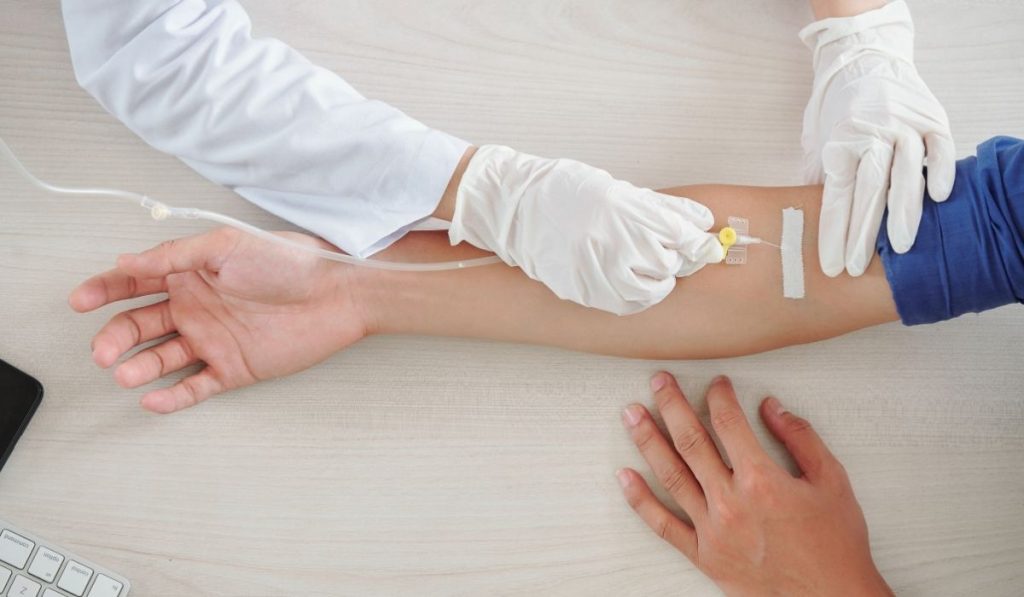
A small needle is inserted into a vein in your arm or hand. Then, a solution containing iron is slowly released into your bloodstream over 15 to 45 minutes.
Iron is essential because it's a major part of hemoglobin—a protein in your red blood cells that helps carry oxygen from your lungs to every part of your body.
When your iron is low, hemoglobin production drops, leading to symptoms like fatigue, pale skin, dizziness, and even shortness of breath. An iron infusion can help reverse all of that.
Key Benefits of an Iron Infusion

Let's get to the good stuff—what are the main benefits of getting an iron infusion? Here’s why many doctors recommend this treatment for people with low iron or iron-deficiency anemia:
1. Faster Iron Absorption
Unlike oral iron supplements, which can take months to improve your iron levels, an iron infusion delivers iron directly into your bloodstream.
That means your body doesn't have to work hard to absorb it through the digestive system—it just gets right to work.
This is especially helpful for people who need a quick boost, such as pregnant women, individuals with severe anemia, or those who need to raise their iron quickly before surgery.
2. Increased Energy and Reduced Fatigue
Tired of feeling tired? Iron infusions can help. When your body finally has the iron it needs, it can start producing more red blood cells.
That helps oxygen flow better through your system, giving you more energy, less brain fog, and improved endurance.
Many people notice a difference in just a couple of weeks.
3. Great for People with Absorption Issues
Some people can't absorb iron properly through their stomach and intestines.
This might be due to conditions like Crohn's disease, celiac disease, or previous surgeries that removed part of the digestive tract.
If that's the case, oral supplements may never be enough.
Iron infusions bypass the gut entirely and go straight into your veins, solving the absorption problem.
4. Regulates Iron in People with Chronic Blood Loss
People who lose blood regularly—such as those with heavy menstrual periods, frequent blood donations, or certain medical conditions—can benefit from routine iron infusions to stay ahead of deficiencies.
5. Fewer Digestive Side Effects
Iron tablets are known to cause constipation, nausea, or stomach upset.
An infusion avoids all of that since it doesn't go through your digestive system.
What Are the Side Effects of an Iron Infusion?
Iron infusions are considered safe for most people, but like all medical treatments, they can come with side effects.
Common (Mild) Side Effects:
- A metallic taste in your mouth during the infusion
- Headache
- Nausea or light vomiting
- Muscle or joint aches
- Temporary rash or itching
- Slight dizziness or shortness of breath
- Changes in blood pressure or heart rate
- Minor swelling or burning sensation at the injection site
These usually go away shortly after the treatment, and most people are able to go back to work or drive themselves home afterward.
Serious (But Rare) Side Effects:
A small number of people may have a severe allergic reaction to the iron solution, especially during their first infusion.
This is known as iron toxicity or anaphylaxis, and it's potentially life-threatening if not treated immediately. Symptoms include:
- Severe drop in blood pressure
- Shock
- Difficulty breathing
- Swelling in the face or throat
- Loss of consciousness
To minimize this risk, many clinics give a test dose of iron first.
They'll monitor you closely for a few minutes before giving the full dose.
Newer iron formulations are less likely to cause allergic reactions and often don't require a test dose at all.
What to Expect During the Infusion
If it's your first time getting an iron infusion, it's normal to feel a little nervous. Here's a quick rundown of what will happen.
Step 1: Arrival and Preparation
You'll be asked to sit in a comfortable chair.
A healthcare provider will place a tourniquet on your arm and insert a small needle into a vein (usually in your arm or hand).
The needle is connected to a thin tube that delivers the iron.
Step 2: The Infusion Process
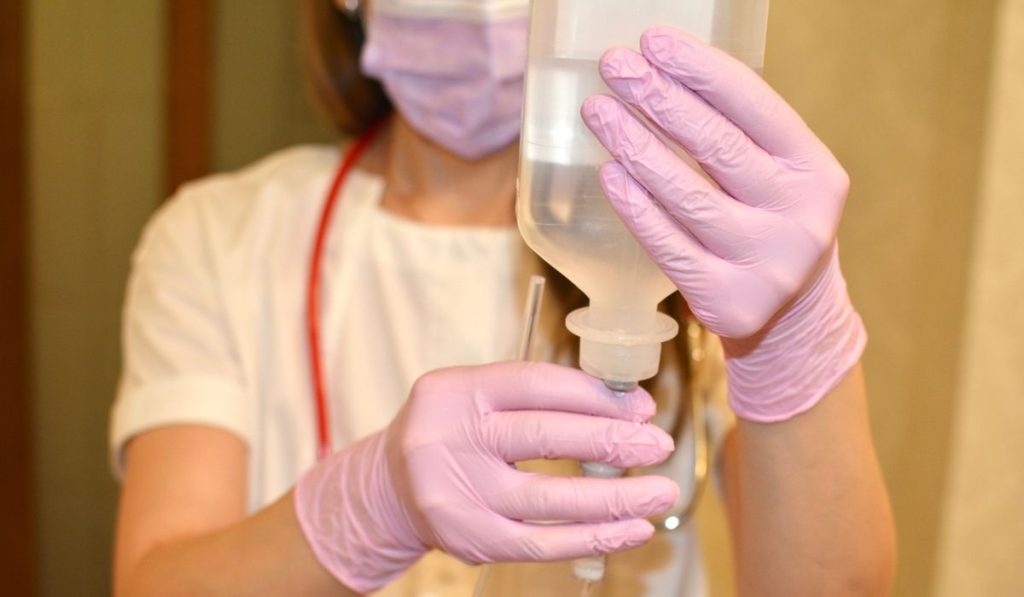
The iron solution is mixed with saline and slowly dripped into your vein.
If a test dose is needed, you'll receive a small amount first to make sure your body handles it well.
The infusion typically takes between 15 to 45 minutes, depending on the amount of iron needed.
You'll be able to relax, read, or scroll your phone during this time.
Step 3: Monitoring and Aftercare
Once the infusion is finished, a nurse may observe you for 15–30 minutes to make sure you don't have any side effects.
Most people feel completely fine afterward. However, if you feel dizzy, nauseous, or uncomfortable, let the nurse know immediately.
How Does Iron Infusion Work in the Body?
Once the iron enters your bloodstream, it binds with a protein called transferrin, which carries it to the bone marrow.
That's where red blood cells are made. As the bone marrow uses the iron to produce more red blood cells, your hemoglobin levels begin to rise.
Over the next few days to weeks, you may notice:
- Better stamina
- Improved mood
- Healthier skin tone
- Less breathlessness during exercise
Your doctor will usually follow up with blood tests to make sure the treatment worked and that your iron levels are now in the healthy range.
How Often Do You Need an Iron Infusion?
It depends. Some people may need just one or two infusions to restore their iron levels, while others—like those with chronic conditions or ongoing blood loss—might need them every few months.
Your doctor will base the frequency on:
- Your hemoglobin and ferritin levels
- Underlying health conditions
- How well your body responds to the infusion
Who Should Consider an Iron Infusion?
You might be a candidate for an iron infusion if:
- You've been diagnosed with iron-deficiency anemia
- Oral supplements haven't worked or caused side effects
- You have a digestive condition that blocks iron absorption
- You're preparing for surgery and need to boost iron quickly
- You experience heavy menstrual bleeding
- You have chronic kidney disease or are undergoing dialysis
- You're pregnant and your iron levels are critically low
Can I Book an Iron Infusion Directly?
This is one of the most common questions people have—and the answer depends on your location and healthcare provider.
In most cases, you can't book an iron infusion directly without a referral.
You'll typically need to see a doctor first, who will assess your iron levels through a blood test.
If your levels are low enough to qualify for infusion therapy, they'll then write you a referral or send you to a nearby infusion center.
Some specialized clinics, however, may offer direct appointments if you already have recent lab work confirming iron deficiency.
Where to Get Iron Infusion
If you’re wondering where to get iron infusion, start by speaking with your primary care doctor or a hematologist.
These professionals will usually refer you to a hospital, outpatient clinic, or dedicated infusion therapy center.
Some areas also have home healthcare services that can deliver iron infusions at home under medical supervision.
If you’re experiencing symptoms of severe fatigue, lightheadedness, or confirmed anemia, don't delay—early treatment can make a huge difference.
Anemia Iron Infusion Near Me
Searching online for anemia iron infusion near me will bring up a list of local infusion centers, hospitals, and clinics that offer this service.
Be sure to check reviews, insurance acceptance, and whether they require a referral before booking.
You can also ask your doctor to recommend a trusted provider nearby.
Fast access to iron infusion treatment can help you recover energy and improve your quality of life more quickly.
Looking for Trusted Iron Infusion Treatment?
If you or someone you love is dealing with iron-deficiency anemia and looking for expert care, Premier Hematology and Oncology is here to help you.
Our team specializes in safe and effective iron infusion therapy for anemia and other blood-related conditions.
We provide compassionate care, modern infusion facilities, and personalized treatment plans based on your individual health needs.
Whether you’re referred by a doctor or need help arranging lab work, we’re committed to making the process smooth and stress-free.
Contact us today to schedule a consultation or learn more: Premier Hematology and Oncology
Can You Go Back to Normal Activities After?
Yes—most people can return to their normal routine right after an infusion.
That includes driving, working, and even exercising (as long as you feel well enough).
If you experience any mild side effects, taking it easy for the rest of the day is usually enough.
How Long Until You Feel Better?
Some people feel better within a few days, while others may take 1–2 weeks to really notice a difference.
It all depends on how low your iron levels were and how your body responds to treatment.
Your doctor may recommend a follow-up blood test after 2–4 weeks to check your progress.
When Should You Avoid an Iron Infusion?
Iron infusions are not for everyone. You should let your doctor know if you:
- Have a history of allergic reactions to IV medications
- Have conditions like hemochromatosis (too much iron in the body)
- Are dealing with an active infection
It's important to receive infusions only under medical supervision and with proper monitoring.
Final Thoughts: Is It Worth It?
If you’re struggling with chronic fatigue, unexplained weakness, or confirmed iron deficiency, an iron infusion could be a game-changer.
It's fast, effective, and can help you feel like yourself again.
Of course, it's not something you want to jump into without proper medical advice, so be sure to talk to your doctor about whether it’s right for you.
How long does an iron infusion take?
An iron infusion usually takes between 15 to 45 minutes, but it could be longer depending on the dose and how your body reacts. If it's your first time, your provider might give a small "test dose" first to make sure there are no allergic reactions. Some people spend up to an hour total, including prep and monitoring. It's a fairly quick outpatient procedure that you can often do on a lunch break.
How long before I feel better?
Most people start to notice improvement in their symptoms within a few days to two weeks after the infusion. You may feel more energetic, less dizzy, and overall more like yourself. The exact timeline depends on how low your iron was to begin with and how quickly your body responds to the treatment. For some, multiple infusions may be needed before full results are felt.
Is an iron infusion painful?
The actual infusion isn't painful for most people. You may feel a small pinch when the needle goes into your vein, and maybe a bit of pressure during the setup. Once the IV is in place, most patients just relax, read, or scroll their phone. Some mild side effects like metallic taste or temporary dizziness may occur, but they're usually easy to manage.
Can I eat or drink before and after the infusion?
Yes, absolutely—you don't have to fast or follow a strict diet before or after the infusion. In fact, staying well-hydrated can make the infusion process smoother. You can eat a normal meal beforehand and resume your day as usual afterward. There are no food or drink restrictions unless your doctor specifically advises otherwise.
Are there risks of getting too much iron?
Yes—while rare, iron overload can happen if your body receives more iron than it needs. This can lead to issues like liver damage or joint pain over time. That's why doctors check your iron, hemoglobin, and ferritin levels before recommending this treatment and continue to monitor them afterward. You should never get an infusion unless it's prescribed.