
When most people think of cancer, they often associate it with more common types such as breast, colon, or lung cancer. But there’s another, lesser-known condition that deserves equal attention: appendix cancer.
Though rare, its potential severity and often subtle onset make awareness and early detection crucial.
In many cases, understanding the early symptoms and exploring advanced treatment options—such as IV infusion therapy for cancer—can significantly improve outcomes.
Whether you’re seeking care at a private cancer treatment center or looking into specialized services like those at Monroe Infusion Center, it’s important to recognize that managing appendix cancer involves a multi-faceted approach.
This article provides a comprehensive guide to the types, symptoms, diagnostic procedures, and therapeutic strategies that define this rare but impactful disease.
What is Appendix Cancer?

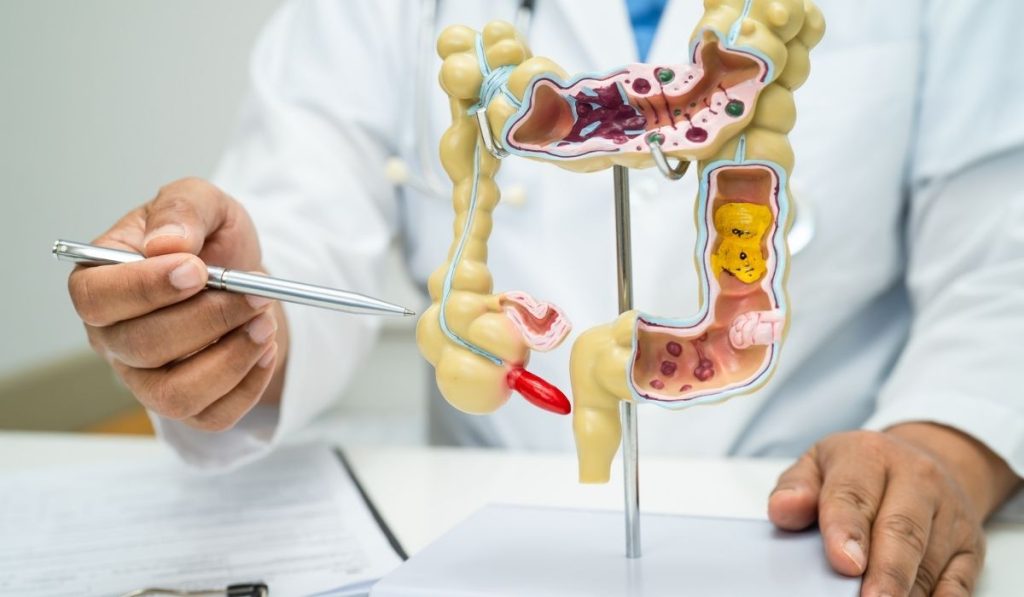
Appendix cancer refers to the abnormal growth of cells originating in the appendix—a small pouch attached to the large intestine.
While its function in the human body is still somewhat ambiguous, the appendix can develop malignant tumors like any other organ.
This type of cancer often goes undetected until it spreads to other parts of the abdomen or is discovered incidentally during surgery for other conditions, such as appendicitis.
Because of its stealthy progression, appendix cancer often demands prompt, aggressive, and personalized treatment.
There are several subtypes of appendix cancer, and their behavior can vary greatly.
Some are slow-growing and localized, while others are aggressive and prone to spreading.
Each case must be evaluated individually, making it essential to seek care from a top-rated cancer treatment center that understands these nuances.
Types of Appendix Cancer
Understanding the different types of appendix cancer is vital in determining the appropriate course of treatment. The most common subtypes include:
Mucinous Adenocarcinoma
This type originates in the cells that produce mucus in the appendix.
Mucinous tumors can rupture and spill mucin-producing cells into the abdominal cavity, potentially leading to a condition known as pseudomyxoma peritonei (PMP).
Goblet Cell Carcinoid Tumors
These tumors combine features of adenocarcinomas and neuroendocrine tumors.
They are more aggressive than traditional carcinoid tumors and require a multi-modal treatment plan.
Non-Mucinous Adenocarcinoma
Also called colonic-type adenocarcinoma, this form behaves similarly to colon cancer and typically spreads to lymph nodes and other organs.
Carcinoid Tumors
These are slow-growing tumors often discovered incidentally.
When localized, they have a good prognosis and may not require aggressive treatment.
Signet Ring Cell Adenocarcinoma
This is a rare and aggressive type of appendix cancer, often associated with a poor prognosis due to its tendency to spread quickly.
Each subtype demands a unique treatment strategy.
Working with a private cancer treatment center ensures that your care is customized based on the cancer's biological behavior and staging.
Appendix Cancer: Overview
Appendix cancer can affect people of all ages but is more commonly diagnosed in adults between the ages of 40 and 60.
Due to its rarity, it is frequently misdiagnosed or discovered accidentally during imaging or surgery.
What makes this disease complex is not just its rarity, but also the wide range of symptoms and its potential to mimic other gastrointestinal conditions.
As such, diagnosis often comes as a surprise to patients—and even to healthcare providers.
The disease progression is categorized by stages, similar to other cancers:
- Stage I: Localized to the appendix.
- Stage II: Spread to nearby tissues.
- Stage III: Involvement of regional lymph nodes.
- Stage IV: Distant metastasis, often within the abdominal cavity.
Treatment is largely dependent on the cancer type, stage, and overall health of the patient.
Advanced centers like Monroe Infusion Center offer targeted therapies to address each unique case.
Symptoms
The early symptoms of appendix cancer are often vague or entirely absent, contributing to delayed diagnosis.
However, some common signs to watch for include:
- Abdominal pain, particularly in the lower right quadrant
- Bloating or distension
- Unexplained weight loss
- Changes in bowel habits
- Feeling full quickly when eating
- Appendicitis-like symptoms (sudden, sharp pain and inflammation)
As the disease progresses, symptoms may intensify or become more specific depending on whether the cancer has spread.
Individuals experiencing persistent abdominal discomfort or unusual gastrointestinal symptoms should consult a top-rated cancer treatment center for evaluation.
Diagnosis
Diagnosing appendix cancer typically begins with imaging studies, especially when symptoms suggest appendicitis or another abdominal issue.
Common diagnostic tools include:
- CT Scans: Helpful in identifying tumors, ruptures, or mucin buildup in the abdominal cavity.
- MRI: Provides detailed imaging for evaluating soft tissue involvement.
- PET Scans: Often used in staging and identifying metastases.
- Colonoscopy: While not a first-line diagnostic tool, it may be used to rule out colon involvement.
- Biopsy: Tissue sampling is essential for definitive diagnosis and to identify the cancer type.
Early diagnosis significantly impacts survival and treatment success.
Centers like Monroe Infusion Center offer rapid diagnostic services, minimizing delays in initiating care.
Treatment Options
A multidisciplinary approach is critical when treating appendix cancer.
Depending on the cancer type and stage, the following options may be used:
Surgery
The primary treatment for localized tumors is often an appendectomy or a right hemicolectomy if the cancer has spread to the colon.
In advanced cases, cytoreductive surgery (CRS) combined with hyperthermic intraperitoneal chemotherapy (HIPEC) may be considered.
IV Infusion Therapy for Cancer
IV infusion therapy for cancer plays a key role, especially for patients who cannot undergo surgery or whose cancer has metastasized.
This treatment involves the administration of chemotherapy drugs or immunotherapies through an intravenous line, ensuring rapid and targeted drug delivery.
At facilities like Monroe Infusion Center, patients benefit from personalized infusion plans that minimize side effects and maximize efficacy.
Immunotherapy and Targeted Therapy
For certain genetic mutations, targeted therapies or immunotherapy may be recommended. These treatments block specific pathways used by cancer cells to grow and spread.
Radiation Therapy
Though less common in appendix cancer, radiation may be used in specific cases to shrink tumors or relieve symptoms.
Patients often receive care from a coordinated team of surgeons, oncologists, and infusion specialists at a private cancer treatment center that prioritizes individualized care.
Infusion Therapy at a Private Cancer Treatment Center
Choosing a private cancer treatment center for IV infusion therapy for cancer has many benefits. These centers offer:
- Personalized treatment schedules tailored to your lifestyle and medical needs
- Access to advanced therapies not always available in public or general hospitals
- Specialized nursing staff trained in infusion care and symptom management
- Comfortable environments that reduce stress during treatment sessions
Infusion therapy at the Monroe Infusion Center, for example, is known for its patient-first philosophy and cutting-edge oncology care.
Patients receive support that goes beyond medical treatment—encompassing emotional well-being, nutrition counseling, and continuous monitoring.
Living with Appendix Cancer
Life after a diagnosis of appendix cancer can be emotionally and physically overwhelming.
However, many patients go on to lead full lives—especially with the right support system and proactive treatment.
Supportive care options often include:
- Pain management
- Nutritional therapy
- Mental health counseling
- Family education and support groups
Routine follow-ups are essential to monitor for recurrence, manage side effects of treatment, and maintain overall health.
At a top-rated cancer treatment center, ongoing care is designed not just to treat cancer—but to help individuals reclaim their lives.
Summary
Appendix cancer is a rare but serious condition that requires timely diagnosis and a strategic, personalized treatment plan.
From early signs to advanced therapies like IV infusion therapy for cancer, knowing your options can be the difference between delayed action and proactive recovery.
By seeking care from trusted institutions such as the Monroe Infusion Center or a private cancer treatment center, patients benefit from advanced medical care tailored to their needs.
Whether you’re dealing with early symptoms or exploring second-line treatments, it's important to have a specialized team that prioritizes your unique journey.
Take the Next Step Toward Healing
If you or a loved one has been diagnosed with appendix cancer, don't wait.
At Premier Hematology, we provide comprehensive, patient-centered treatment—including IV infusion therapy for cancer—in a compassionate, modern setting.
Our team is here to guide you every step of the way.
Contact us today to schedule a consultation and explore your options for expert care at our top-rated cancer treatment center.
FAQs
What are the first signs of appendix cancer?
Appendix cancer often begins silently, but some of the earliest signs may include vague abdominal discomfort, bloating, or pain on the lower right side. Some patients experience symptoms similar to appendicitis, such as sudden, sharp abdominal pain. Others may notice unexplained weight loss or changes in bowel habits. Because these symptoms overlap with many other digestive issues, the cancer often goes unnoticed until it spreads or is discovered during unrelated surgery. If you experience persistent abdominal symptoms that don't improve, especially accompanied by fatigue or bloating, consult a top-rated cancer treatment center for evaluation.
How is appendix cancer typically diagnosed?
Diagnosis usually starts with imaging tests such as a CT scan or MRI, especially when abdominal pain or appendicitis is suspected. These scans help identify any abnormal masses or fluid in the abdomen. If something suspicious is found, a biopsy may be performed to confirm the diagnosis and determine the type of tumor. Sometimes, appendix cancer is only discovered after an appendectomy when the removed appendix is sent for lab analysis. Once diagnosed, staging tests follow to determine how far the cancer has spread. Facilities like Monroe Infusion Center provide comprehensive diagnostic services to ensure timely and accurate diagnosis.
What are the treatment options for appendix cancer?
Treatment depends on the type and stage of the appendix cancer, as well as the patient's overall health. Surgery is usually the first step, especially for localized tumors. In more advanced cases, chemotherapy or IV infusion therapy for cancer may be required to kill cancer cells or slow progression. For cancers that have spread to the abdominal cavity, HIPEC (heated chemotherapy administered during surgery) is often used. Targeted therapy or immunotherapy may also be considered. A private cancer treatment center can provide a tailored combination of these options based on genetic markers and cancer type.
What is IV infusion therapy for cancer, and how does it help?
IV infusion therapy for cancer involves administering chemotherapy, targeted drugs, or immunotherapy directly into the bloodstream through a vein. This method ensures that medication reaches cancer cells quickly and in high concentration. It’s especially useful for patients who can’t tolerate oral medications or who need aggressive treatment. Infusion therapy can reduce tumor size, slow disease progression, and alleviate symptoms. At centers like Monroe Infusion Center, treatments are closely monitored to minimize side effects and adjust therapy as needed. Infusion therapy also allows patients to receive treatment without hospitalization, often in a comfortable outpatient setting.
Is appendix cancer curable?
Yes, in some cases, especially when detected early, appendix cancer can be curable with surgical removal of the tumor. For slow-growing tumors like carcinoid types, prognosis is often excellent with timely intervention. However, more aggressive forms such as mucinous adenocarcinoma or signet ring cell carcinoma may require multiple treatments, including IV infusion therapy for cancer, surgery, and ongoing monitoring. Even when not curable, treatment can greatly extend life expectancy and improve quality of life. A top-rated cancer treatment center will assess your specific case and offer a realistic outlook and comprehensive care plan.
What is pseudomyxoma peritonei (PMP), and how is it related to appendix cancer?
Pseudomyxoma peritonei (PMP) is a condition where mucin-producing cancer cells spread into the abdominal cavity, creating jelly-like fluid that builds up over time. It is most commonly associated with mucinous tumors of the appendix. PMP can cause abdominal swelling, discomfort, and bowel obstruction. Treatment often involves a combination of cytoreductive surgery and HIPEC (heated chemotherapy). Early detection of appendix cancer is key to preventing the development of PMP. Specialized centers like Monroe Infusion Center provide surgical and infusion options to help manage or prevent complications associated with PMP.
Can I receive infusion therapy for appendix cancer at home?
Some patients may qualify for home-based IV infusion therapy for cancer, depending on their overall health, the medication prescribed, and insurance coverage. However, most treatments are administered in an outpatient clinic setting like Monroe Infusion Center to ensure safety and proper monitoring. In-clinic infusion ensures access to trained oncology nurses, immediate symptom management, and accurate dosing. Home infusions may be considered for long-term maintenance treatments with lower risk of side effects. Speak with your care team at a private cancer treatment center to see which option is best for you.
Where can I find a top-rated cancer treatment center for appendix cancer?
If you are looking for personalized care for appendix cancer, it's important to choose a top-rated cancer treatment center that specializes in rare gastrointestinal cancers. Look for centers with multidisciplinary teams, access to advanced therapies, and a strong reputation for patient outcomes. Facilities like the Monroe Infusion Center offer specialized services including IV infusion therapy for cancer, targeted treatments, and supportive care in a patient-friendly environment. Choosing a private cancer treatment center also gives you access to individualized care plans, reduced wait times, and a more comfortable experience throughout your treatment journey.