
Chronic fatigue is more than just feeling tired.
It’s an overwhelming, persistent exhaustion that doesn't improve with rest and often interferes with daily life.
For those who suffer from chronic fatigue syndrome (CFS) or related conditions, the search for relief can be long and frustrating.
In recent years, however, infusion therapy for chronic fatigue has emerged as a promising approach to manage and potentially reduce symptoms.
In this article, we'll explore what chronic fatigue really entails, how infusion therapy works, and whether it could be a beneficial part of your health regimen.
We’ll also discuss specific options like Iron Infusion therapy, and help you understand what to expect if you choose this path.
Understanding Chronic Fatigue
Chronic Fatigue Syndrome, also known as Myalgic Encephalomyelitis (ME/CFS), is a complex disorder marked by extreme fatigue lasting at least six months.
This fatigue isn't due to exertion and isn't relieved by rest. Other common symptoms include:
- Memory or concentration issues (often called “brain fog”)
- Unrefreshing sleep
- Muscle and joint pain
- Dizziness that worsens with standing
- Headaches
- Sore throat or swollen lymph nodes
While the exact cause of CFS is still unclear, experts believe it may be triggered by infections, immune system issues, hormonal imbalances, or stress.
Since it manifests differently in each person, treatment must be tailored—and that's where infusion therapy for chronic fatigue shows promise.
What Is Infusion Therapy?
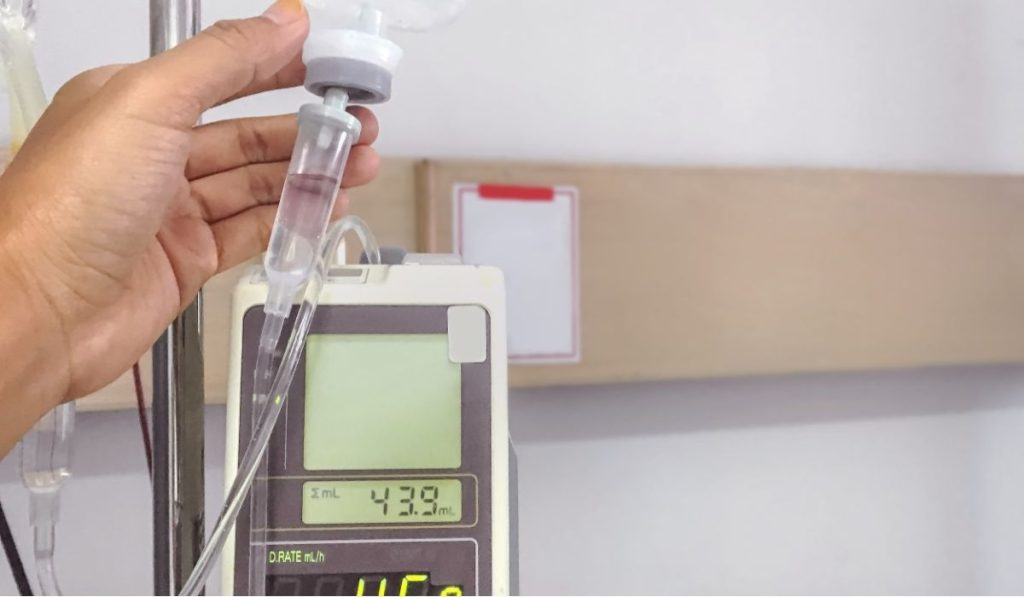
Infusion therapy involves delivering vitamins, minerals, medications, or other nutrients directly into the bloodstream via an IV.
By bypassing the digestive system, nutrients are absorb more quickly and fully, allowing for faster and more efficient results.
This method is particularly useful for patients who have difficulty absorbing nutrients due to gastrointestinal issues or chronic conditions.
Infusion therapy has been used for decades to treat a range of conditions, including cancer, autoimmune disorders, infections, and dehydration.
Today, it is gaining popularity for its potential role in boosting energy and restoring balance in those suffering from chronic fatigue.
Why Choose Infusion Therapy for Chronic Fatigue?

For individuals dealing with persistent, unexplained exhaustion, infusion therapy for chronic fatigue offers several potential benefits:
1. Rapid Nutrient Replenishment
Patients with chronic fatigue often suffer from deficiencies in essential vitamins and minerals—like B12, magnesium, and iron.
These nutrients play a key role in energy production, neurological function, and immune health.
IV delivery ensures rapid replenishment and bypasses issues with poor absorption.
2. Enhanced Energy Levels
Many patients report a noticeable improvement in energy levels after receiving infusion therapy.
Vitamin B complex, amino acids, and magnesium infusions are commonly use to support mitochondrial function and boost cellular energy.
3. Immune System Support
Infusions can include vitamin C, zinc, and other immune-boosting compounds that help reduce inflammation and support immune system balance—both of which are often dysregulated in chronic fatigue patients.
4. Targeted Treatments
Since chronic fatigue has a wide range of potential underlying causes, infusion therapy can be customize to target specific deficiencies or dysfunctions, such as mitochondrial stress, adrenal fatigue, or oxidative stress.
The Role of Iron Infusion Therapy
One particular form of infusion therapy that's gaining attention is Iron Infusion therapy.
Low iron levels or iron-deficiency anemia is a common contributor to fatigue.
If blood tests reveal low iron or ferritin levels, an iron infusion might be recommended.
Unlike oral iron supplements, which can cause gastrointestinal side effects and take weeks to show results, iron infusion therapy delivers iron directly into the bloodstream.
This results in quicker symptom relief and a more efficient boost in energy and oxygen delivery to the body's tissues.
When Is Iron Infusion Therapy Recommended?
Iron infusions may be recommended for individuals with:
- Chronic fatigue accompanied by low iron levels
- Inflammatory bowel disease (which limits iron absorption)
- Heavy menstrual bleeding
- Post-surgical recovery
- Chronic kidney disease or cancer
If you've been struggling with fatigue and your iron levels are low, this form of therapy could significantly improve your quality of life.
What to Expect During Infusion Therapy
Your infusion therapy for chronic fatigue journey typically begins with a consultation and a thorough evaluation, including lab work to assess nutritional deficiencies or underlying conditions.
The Infusion Process:
- Pre-Assessment: Blood pressure, pulse, and temperature are taken.
- IV Insertion: A small catheter is placed in your arm.
- Infusion Delivery: The customized therapy—whether vitamins, minerals, or iron—is slowly infused over 30 to 90 minutes.
- Post-Treatment Monitoring: You'll be observed briefly after the session to ensure you're tolerating it well.
Many patients report feeling more energized and alert within hours to days after treatment, although results can vary.
Is Infusion Therapy Safe?
Yes, infusion therapy is generally safe when administered by trained professionals in a clinical setting. Minor side effects may include:
- Bruising at the IV site
- Temporary lightheadedness or fatigue
- Mild headache or flushing
Severe reactions are rare, especially when pre-screening and lab work are properly conducted.
Is It Right for You?
Infusion therapy isn’t a cure for chronic fatigue, but it may offer relief from symptoms and improve quality of life. It is particularly beneficial for:
- Patients with diagnosed vitamin or mineral deficiencies
- Individuals with digestive issues impairing nutrient absorption
- Those with autoimmune or inflammatory conditions
- Patients who have not responded to traditional fatigue treatments
A tailored infusion plan, based on your individual health profile, can serve as a powerful complementary treatment to other medical interventions, such as lifestyle changes, medications, and dietary modifications.
Integrating Infusion Therapy into Your Wellness Plan
To get the most out of infusion therapy for chronic fatigue, it should be part of a holistic approach that includes:
- Regular exercise (as tolerated)
- Balanced nutrition
- Stress management (e.g., meditation, yoga)
- Adequate sleep
- Psychological support (for coping with chronic illness)
Combining infusion therapy with these lifestyle strategies can help address both the symptoms and underlying causes of chronic fatigue.
The Takeaway: A Promising Avenue of Support
Chronic fatigue can be debilitating, but it doesn't have to define your life.
With advances in treatment and a personalized approach to care, many people are finding renewed vitality and relief through infusion therapy.
Whether you’re battling low iron levels, nutrient deficiencies, or an overworked immune system, IV therapy offers an efficient, targeted method of restoring balance and boosting your energy reserves.
Infusion therapy for chronic fatigue isn't a one-size-fits-all solution—but it may be the missing piece in your wellness puzzle.
Ready to Reclaim Your Energy?
From therapies targeting autoimmune disorders to those supporting bone health and beyond, our expert team is dedicated to providing personalized care and support throughout your infusion therapy journey.
Discover the range of infusion therapies available at Premier Hematology Oncology and take the first step towards optimal health.
FAQs
What is infusion therapy for chronic fatigue?
Infusion therapy for chronic fatigue involves delivering vitamins, minerals, and sometimes medications directly into the bloodstream through an IV. This method allows for faster and more effective absorption of nutrients that support energy production and immune health.
How does infusion therapy help with chronic fatigue symptoms?
Infusion therapy replenishes essential nutrients like B12, magnesium, and iron—common deficiencies in those with chronic fatigue. These nutrients support energy metabolism, reduce inflammation, and enhance cognitive function.
Is infusion therapy a cure for chronic fatigue syndrome (CFS)?
No, infusion therapy is not a cure for CFS. However, it can significantly alleviate symptoms and improve quality of life by addressing underlying nutrient deficiencies and immune imbalances.
What is iron infusion therapy and who needs it?
Iron infusion therapy is a type of IV treatment used to correct low iron levels or iron-deficiency anemia. It's recommended for individuals who cannot tolerate oral iron supplements or have conditions that impair iron absorption, such as gastrointestinal disorders or chronic illnesses.
How do I know if I'm a good candidate for infusion therapy?
You may be a good candidate if you experience chronic fatigue along with signs of nutrient deficiencies, poor absorption, or autoimmune conditions. A healthcare provider will typically conduct blood tests to determine your eligibility.
Are there risks or side effects associated with infusion therapy?
Infusion therapy is generally safe. Minor side effects may include bruising at the IV site, temporary fatigue, or mild dizziness. Rarely, allergic reactions or more serious complications may occur, which is why professional administration is important.
How often should I receive infusion therapy for chronic fatigue?
The frequency depends on your condition and response to treatment. Some patients benefit from weekly infusions, while others may require monthly sessions. Your healthcare provider will create a customized schedule.
What nutrients are commonly used in infusion therapy for chronic fatigue?
Common ingredients include Vitamin B12, Vitamin C, magnesium, amino acids, zinc, and iron. Each infusion is tailor to meet the individual needs of the patient.
How quickly will I feel better after an infusion?
Many people report improved energy and mental clarity within hours to days after treatment, although results can vary. For lasting effects, a series of infusions combine with lifestyle changes is often recommended.
Where can I find professional infusion therapy services near me?
Look for a medical center or clinic that specializes in infusion therapies and employs licensed professionals.