
Anemia is a prevalent condition among women, often leading to significant fatigue and impacting overall well-being. At Premier Hematology, we specialize in diagnosing and treating anemia, including advanced therapies like iron infusions. This article focuses on the relationship between anemia and fatigue, exploring symptoms, causes, and effective treatment options.
What is Anemia?
Anemia occurs when there is a deficiency of red blood cells or hemoglobin in the blood, resulting in reduced oxygen delivery to the body's tissues. This can cause persistent fatigue and a range of other health issues.
Common Causes of Anemia in Women
-
- Iron Deficiency: Often due to inadequate dietary intake, menstrual blood loss, or increased iron demand during pregnancy.
-
- Vitamin Deficiency: Lack of vitamins like B12 and folate necessary for red blood cell production.
-
- Chronic Diseases: Conditions like chronic kidney disease or inflammatory disorders can lead to anemia.
-
- Pregnancy: Increased blood volume and iron demand during pregnancy often result in anemia.
-
- Menstrual Cycle: Heavy menstrual bleeding can lead to significant iron loss.
The Link Between Anemia and Fatigue
Fatigue is one of the most common and debilitating symptoms of anemia. When your body doesn't have enough healthy red blood cells to carry adequate oxygen to your tissues, it results in a constant state of tiredness and lack of energy. This can affect daily activities, work performance, and overall quality of life.
Symptoms of Anemia-Related Fatigue
-
- Persistent tiredness despite adequate rest
-
- Weakness and lack of energy
-
- Difficulty concentrating
-
- Shortness of breath with minimal exertion
-
- Dizziness or lightheadedness
-
- Rapid or irregular heartbeat
Diagnosing Anemia
Diagnosis typically involves:
-
- Complete Blood Count (CBC): Measures levels of red blood cells and hemoglobin.
-
- Serum Ferritin: Assesses iron stores in the body.
-
- Vitamin B12 and Folate Levels: Identifies vitamin deficiencies.
-
- Additional Tests: Depending on underlying conditions, other tests may be required.
Treatment Options for Anemia and Fatigue
Dietary Changes and Supplements
For mild anemia, increasing the intake of iron-rich foods (like lean meats, beans, and spinach) and taking oral iron supplements may be effective.
Iron Infusions
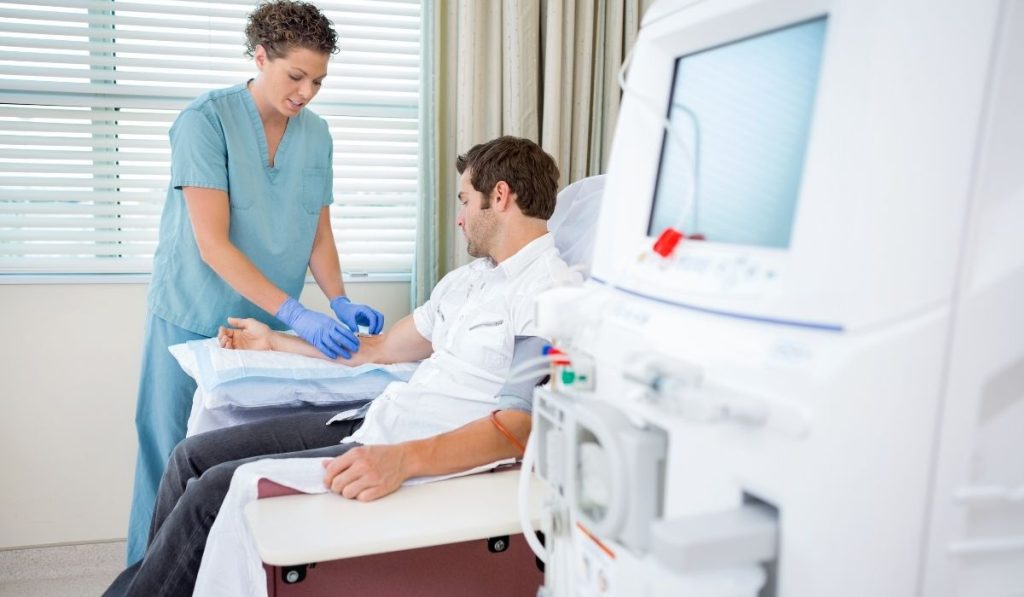
For more severe cases or when oral supplements are ineffective or poorly tolerated, iron infusions offer a reliable alternative. This therapy involves delivering iron directly into the bloodstream, ensuring efficient and rapid replenishment of iron levels.
Benefits of Iron Infusions
-
- Quick Improvement: Patients often notice a rapid improvement in energy and reduction in fatigue.
-
- High Absorption: Infusions bypass gastrointestinal absorption issues.
-
- Minimal Side Effects: Unlike oral supplements, infusions generally do not cause gastrointestinal discomfort.
Premier Hematology: Expertise in Anemia Treatment
At Premier Hematology, we provide comprehensive care for women with anemia. Our team of specialists is dedicated to offering personalized treatment plans, including state-of-the-art iron infusion therapy. We strive to ensure that every patient receives the highest standard of care in a supportive environment.
Frequently Asked Questions (FAQs)
What causes anemia in women?
Anemia in women can be caused by iron deficiency, vitamin deficiencies, chronic diseases, pregnancy, and heavy menstrual bleeding.
How does anemia cause fatigue?
Anemia leads to fatigue because it reduces the number of red blood cells available to carry oxygen to the body's tissues, resulting in a constant feeling of tiredness and weakness.
How is anemia diagnosed?
Anemia is diagnosed through blood tests such as a Complete Blood Count (CBC), serum ferritin levels, and assessments of vitamin B12 and folate.
Are iron infusions safe?
Yes, iron infusions are generally safe and are an effective treatment for severe anemia or when oral supplements are not suitable.
How long does it take to feel better after an iron infusion?
Many patients start to feel better within a few days to a week after the infusion, with significant improvements in energy and reduction in fatigue.
Can I prevent anemia?
Preventing anemia involves maintaining a balanced diet rich in iron, vitamins B12 and folate, and managing any underlying health conditions.