Menstruation is a natural part of life for many women, often considered just a monthly inconvenience.
However, periods can sometimes signal more than just a few days of discomfort.
While mild cramps, bloating, and fatigue are common, heavy or irregular periods might be indicative of underlying health issues that require attention.
These hidden signs can affect not only a woman's energy levels but also her overall health.
Understanding the potential health implications of menstrual cycles is essential for women to take charge of their well-being.
The Impact of Heavy Menstrual Bleeding

One of the most common concerns women face regarding their menstrual cycle is heavy bleeding.
While every woman's experience is unique, heavy menstrual bleeding (also known as menorrhagia) is often defined by the need to change pads or tampons every hour for several hours or passing blood clots larger than a quarter.
This can be more than just an inconvenience—it can result in significant blood loss that affects a woman's overall health, including iron deficiency anemia.
Iron deficiency occurs when the body doesn't have enough iron to produce hemoglobin, the protein in red blood cells that carries oxygen throughout the body.
As a result, women with heavy periods may experience symptoms such as extreme fatigue, weakness, dizziness, and shortness of breath.
In many cases, these symptoms are mistakenly attributed to the stress of daily life or the menstrual cycle itself, rather than being recognized as a sign of a more serious health issue.
Hormonal Imbalances and Their Role in Periods
Hormonal imbalances are another common culprit behind problematic periods.
Estrogen and progesterone levels fluctuate throughout the menstrual cycle, and an imbalance in these hormones can lead to irregular periods, heavy bleeding, or even missed periods altogether.
Conditions such as polycystic ovary syndrome (PCOS) and thyroid disorders can disrupt hormone levels, affecting menstrual regularity.
PCOS, for example, is one of the most common causes of irregular periods.
This condition, which affects the ovaries and leads to cyst formation, can cause women to experience heavy periods, skipped periods, or no periods at all.
Other symptoms of PCOS include acne, excessive hair growth, and weight gain. If left untreated, PCOS can also lead to fertility issues.
Thyroid imbalances can also impact periods.
Both hypothyroidism (underactive thyroid) and hyperthyroidism (overactive thyroid) can lead to menstrual irregularities.
In hypothyroidism, a lack of thyroid hormones can cause periods to become heavier and more prolonged, while hyperthyroidism can cause lighter, shorter periods or even the complete absence of menstruation.
Clotting Disorders: A Hidden Concern
For some women, periods may seem unusually heavy due to an underlying clotting disorder.
These disorders, such as von Willebrand disease or hemophilia, can affect the blood's ability to clot properly.
When bleeding occurs, whether from a menstrual cycle or an injury, the body may not be able to stop the bleeding as effectively as it should.
Women with clotting disorders may experience prolonged periods of bleeding during menstruation, as well as an increased risk of bruising, prolonged bleeding after minor cuts or surgery, and nosebleeds.
The presence of these symptoms should not be ignored, as they can indicate a serious underlying condition that requires medical attention.
Endometriosis and Fibroids: Painful Periods That Signal Deeper Issues
Endometriosis is another condition that can cause debilitating menstrual symptoms.
It occurs when tissue similar to the lining of the uterus grows outside of it, often resulting in severe pain during menstruation, as well as heavy bleeding.
This condition can also cause infertility in some women and may be accompanied by gastrointestinal issues such as bloating and constipation.
Uterine fibroids, non-cancerous growths that form in the wall of the uterus, are also a common cause of heavy and painful periods.
In addition to heavy bleeding, fibroids can lead to pelvic pressure, frequent urination, and back pain.
While fibroids are typically benign, they can have a significant impact on a woman's quality of life and should be evaluated by a healthcare provider.
When to Seek Medical Help
If you experience any of the following symptoms, it may be time to consult a healthcare professional:
- Periods lasting longer than seven days
- Bleeding through more than one pad or tampon per hour
- Severe menstrual cramps or pelvic pain
- Unexplained fatigue, dizziness, or shortness of breath
- Irregular periods that disrupt your daily life
- Pain during intercourse or difficulty becoming pregnant
Ignoring these symptoms may allow an underlying health condition to worsen, potentially leading to more serious complications in the future.
Women’s Health: Addressing the Bigger Picture
When it comes to women's health, menstruation is just one piece of the puzzle.
Regular check-ups with healthcare professionals, particularly Ob/Gyn physicians, can help ensure that any underlying issues are identified and treated early.
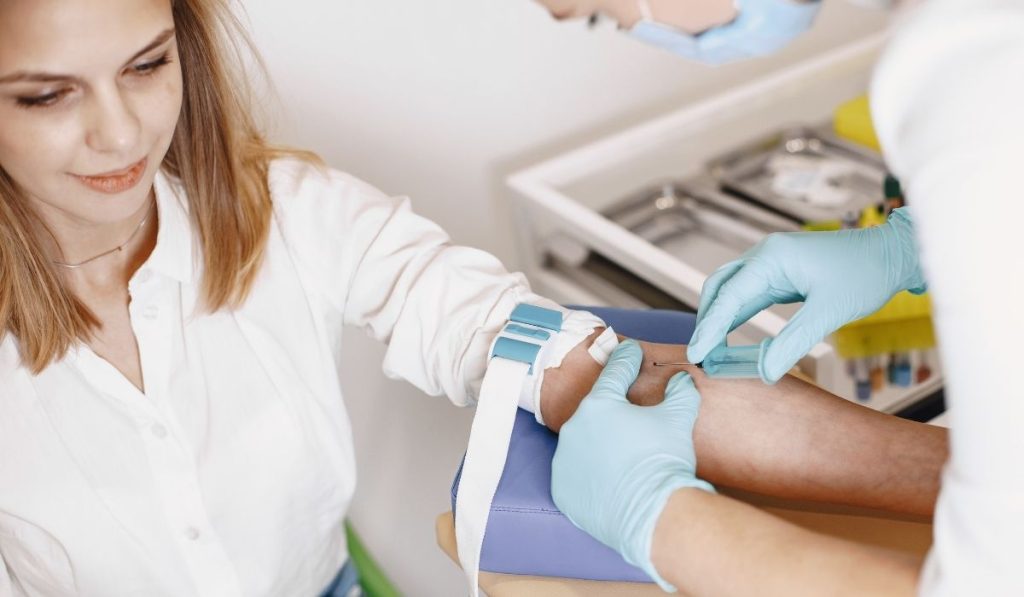
For women experiencing heavy periods or irregular bleeding, a blood test to check for anemia, clotting disorders, or hormonal imbalances may be necessary.
Imaging tests or a pelvic exam may also be required to assess conditions like fibroids or endometriosis.
At Premier Hematology and Oncology, we understand that women's health needs evolve throughout life's journey.
Our dedicated team is here to provide expert care and support for all your hematology concerns.
Partnering with Ob/Gyn physicians, we address a range of issues, including clotting disorders, abnormal blood counts, and iron deficiency associated with heavy menstrual bleeding.
Whether you're preparing for motherhood or managing your health through menopause, we're committed to helping you thrive.
Schedule an Appointment with us today to take the next step in understanding and managing your health concerns.