
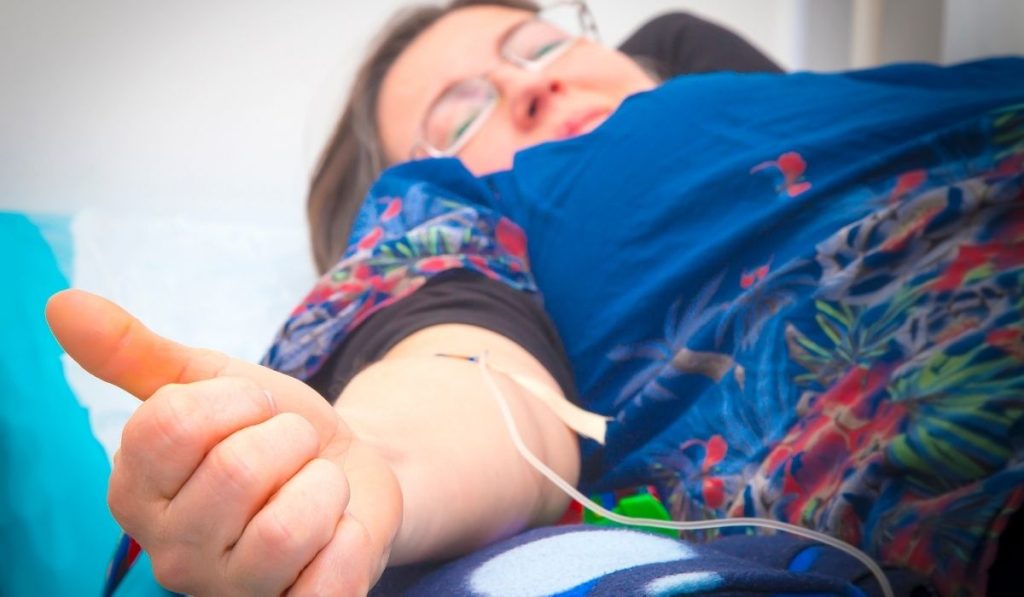
In recent years, infusion therapy has become a vital tool in supporting women's health across various conditions and wellness goals.
Whether managing chronic illness, addressing hormonal imbalances, or enhancing overall vitality, women's health infusion therapy offers a personalized and efficient solution.
If you’re searching for women's health infusion therapy near me, it's essential to understand what this treatment involves and how to choose the right provider.
This comprehensive guide walks you through everything you need to know before booking an appointment—from the science behind the therapy to what to expect during your session.
What Is Women's Health Infusion Therapy?

Women's health infusion therapy refers to the administration of vitamins, minerals, medications, or other therapeutic substances directly into the bloodstream via an intravenous (IV) line.
Unlike oral supplements or medications, infusion therapy delivers nutrients or treatments immediately into the bloodstream for rapid absorption.
This therapy is customized based on the individual's health needs and may include:
- Iron infusions for anemia
- IV hydration for fatigue and dehydration
- Vitamin and nutrient therapy for immune or hormonal support
- Medications for autoimmune or chronic conditions
Infusion therapy is increasingly popular among women managing hormonal changes, postnatal recovery, menstrual irregularities, and more.
It bypasses digestive issues, ensures 100% bioavailability of nutrients, and often results in faster symptom relief.
Clinics offering this service focus on holistic care, addressing not only physical symptoms but also emotional well-being and lifestyle factors.
When searching for women's health infusion therapy near me, it’s important to find a clinic that tailors its approach to your unique needs and medical history, ensuring optimal results and patient satisfaction.
Common Conditions Treated with Women's Health Infusion Therapy
When looking for women's health infusion therapy near me, it helps to know which conditions may benefit from this treatment approach.
Providers commonly use infusion therapy to address:
a. Iron-Deficiency Anemia
A common issue among women, especially during pregnancy or due to heavy menstruation.
Iron infusions offer faster results than oral iron supplements and bypass gastrointestinal side effects.
b. Hormonal Imbalances
IV therapies that include vitamin B-complex, magnesium, or amino acids can support adrenal health, thyroid regulation, and menstrual cycle regularity.
c. Autoimmune Disorders
For women managing conditions like lupus, rheumatoid arthritis, or multiple sclerosis, infusion therapy can deliver biologics or immunosuppressants with precision.
d. Nutrient Deficiencies
Vitamin D, B12, magnesium, and folate deficiencies can be corrected more efficiently through IV infusions than dietary changes alone.
e. Chronic Fatigue or Fibromyalgia
Women suffering from chronic fatigue syndrome or fibromyalgia may find relief through customized IV nutrient blends aimed at energy production and inflammation reduction.
Infusion therapy also supports recovery from surgery, enhances mental clarity, and helps balance mood swings.
Each condition is approached holistically, considering physical, hormonal, and emotional factors to design an effective therapy plan that complements your overall health care regimen.
How Women's Health Infusion Therapy Works
Understanding how women's health infusion therapy works will give you greater confidence when searching for a clinic or center near you.
The process typically includes the following steps:
- Consultation and Health Assessment
Before therapy begins, you’ll meet with a medical provider who evaluates your medical history, current symptoms, and lab work. - Customized Therapy Plan
Based on your unique health profile, the provider will develop a custom infusion protocol tailored to your needs. - IV Administration
A trained nurse or physician inserts an IV catheter into your vein, and the therapeutic solution is administered over 30–90 minutes. - Post-Treatment Observation
Most clinics monitor you briefly post-treatment to ensure no adverse reactions occur.
This medical-grade therapy must be administered by qualified professionals in a sterile environment—one of many reasons to thoroughly vet providers when searching for women's health infusion therapy near me.
Additionally, patients often undergo periodic evaluations to ensure the therapy continues to meet their evolving needs.
Lab testing may be recommended to track improvements in nutrient levels, hormone balance, and immune function.
This feedback loop helps tailor future infusions for maximum effectiveness and health optimization.
Key Ingredients Used in Women's Health Infusion Therapy
Infusion therapy formulas vary widely depending on the desired health outcome.
However, some ingredients are especially beneficial for women's health and are commonly used:
- Iron: Essential for red blood cell production and oxygen delivery; critical for women with anemia.
- Vitamin C: Supports immune function and collagen synthesis; helps with skin, joint, and hormonal health.
- Magnesium: Plays a role in hormone regulation, mood stabilization, and muscle function.
- Vitamin B12: Important for energy, red blood cell production, and neurological health.
- Glutathione: A powerful antioxidant that helps detoxify the body and improve cellular health.
These ingredients work synergistically to address complex symptoms in women.
Clinics may also include amino acids, trace minerals, and coenzymes tailored to specific goals such as enhanced fertility, mental focus, or recovery from physical stress.
The composition of each infusion is based on a detailed assessment to ensure compatibility with your health status and medications.
When you book women's health infusion therapy near me, inquire about the specific ingredients used in the treatment and how they support your individual health goals.
What to Expect During Your Infusion Therapy Session
First-time patients often feel uncertain about what an infusion therapy session involves.
Knowing what to expect can ease anxiety and help you prepare for your appointment.
Initial Check-In
Upon arrival, you’ll be asked to fill out a health questionnaire and review your treatment plan.
Comfortable Setting
Infusion centers are designed for comfort—expect reclining chairs, blankets, and perhaps soothing music. You may even be offered tea, snacks, or Wi-Fi access.
Administration Time
The actual infusion typically takes between 30 minutes and 1.5 hours, depending on the contents and your body's tolerance.
Aftercare
You'll be observed for 10–15 minutes post-treatment.
Some patients feel instantly energized, while others may feel relaxed or even tired.
Clinics often provide wellness resources post-session, such as hydration tips, dietary guidance, and follow-up appointments.
Many also maintain communication through apps or patient portals for updates, lab test tracking, and symptom monitoring.
This high-touch experience ensures continuity of care and maximizes the long-term impact of your therapy.
Safety should always be a top priority when choosing a provider.
The growing popularity of IV therapy has led to a rise in providers—some reputable, others less so. Here's what to look for:
- Licensed Medical Professionals: Only trained nurses, nurse practitioners, or physicians should administer infusion therapy.
- Accredited Clinic: Choose facilities that are certified by medical boards or infusion therapy associations.
- Customized Treatment Plans: Avoid one-size-fits-all solutions. The best clinics offer personalized evaluations and targeted treatments.
- Sterile Techniques and Emergency Preparedness: Clean facilities and staff trained in emergency protocols are non-negotiable.
Look for providers with experience in women's health specifically.
A team that understands hormonal fluctuations, reproductive health, and chronic female-specific conditions can tailor infusions more effectively.
Ask about continuing education, clinic protocols, and how they handle patient complications.
These insights will help you confidently choose a qualified clinic when searching for a women’s health infusion therapy center.
How Often Should You Receive Women's Health Infusion Therapy?
The frequency of infusion therapy depends on your condition, overall health goals, and the type of infusion administered.
Short-Term Goals
If you're receiving therapy for acute fatigue or nutrient deficiency, a short series of sessions (e.g., once a week for 4–6 weeks) may be sufficient.
Long-Term Management
For ongoing issues like autoimmune disease or chronic anemia, infusions might be part of a long-term care plan—sometimes once a month or more.
In many cases, therapy frequency is adjusted based on lab test results, symptom improvement, and overall wellness.
Some women incorporate maintenance infusions into their routine monthly or quarterly to support energy and hormonal balance.
Be sure to work with your healthcare provider to monitor how your body responds and determine the best infusion schedule.
When booking women's health infusion therapy near me, ask about how treatment plans evolve over time.
Potential Benefits of Women's Health Infusion Therapy
Patients often report improvements in multiple areas of wellness.
Here are some potential benefits women experience after regular infusion therapy sessions:
- Increased Energy Levels
- Improved Mood and Mental Clarity
- Balanced Hormones
- Fewer Migraines
- Healthier Skin and Hair
- Stronger Immune Function
- Enhanced Recovery After Illness or Surgery
Women dealing with chronic conditions, high stress, or hormonal shifts may experience significant relief.
Infusion therapy helps restore equilibrium in body systems that are out of balance due to diet, stress, illness, or age-related decline.
The targeted delivery of nutrients also supports detoxification, cognitive health, and physical resilience.
If you're considering women's health infusion therapy near me, these potential benefits make the investment in your health well worth exploring.
Questions to Ask Before Booking an Infusion Therapy Appointment
Choosing the right provider is essential for a safe and successful experience. Here are some questions to ask:
- What qualifications does your staff hold?
- How do you personalize treatment plans?
- What ingredients are used, and how do they benefit women's health?
- How do you monitor for safety during and after infusions?
- How do you track treatment effectiveness over time?
You may also want to ask about lab work, infusion duration, and post-therapy care.
Understanding how the clinic handles allergies, medication interactions, and chronic health concerns can help you feel secure.
Be proactive in ensuring your chosen clinic aligns with your health philosophy and medical needs.
When selecting women's health infusion therapy near me, informed decision-making leads to a safer and more fulfilling treatment journey.
With so many options available, how do you find a provider that meets your needs? Here are some practical steps:
Use Online Directories
Search through reputable platforms like Healthgrades, Zocdoc, or your insurance provider's network.
Check Reviews
Look for clinics with positive feedback on staff professionalism, treatment outcomes, and cleanliness.
Ask for Referrals
Your primary care physician, OB-GYN, or women's health specialist may have trusted recommendations.
Evaluate the Consultation Process
A provider that offers a detailed health assessment before recommending therapy is more likely to deliver safe and effective care.
Also, consider location, appointment availability, and post-visit follow-up.
A top-tier clinic will make you feel seen, heard, and empowered to take control of your health.
When evaluating options for women's health infusion therapy near me, prioritize transparency, professionalism, and patient-centered care for the best experience possible.
Final Thoughts
Women's health infusion therapy is more than a wellness trend—it's a medically sound option for managing complex health issues, replenishing nutrient levels, and enhancing overall quality of life.
As you explore your options, searching for women's health infusion therapy near me, remember that your experience and results hinge on the provider you choose.
Take the time to evaluate clinics thoroughly, ask meaningful questions, and align your therapy goals with a licensed provider.
With the right team and treatment plan, infusion therapy can be a powerful ally in your personal health journey.
FAQs
Is infusion therapy safe for all women?
Yes, when administered by licensed professionals, infusion therapy is generally safe. A proper health screening helps ensure compatibility with your body's needs.
How soon will I feel the effects of infusion therapy?
Some women feel an energy boost within hours, while others notice gradual improvement over a few days depending on their treatment plan.
Can infusion therapy help with menstrual symptoms?
Yes, infusions containing magnesium and B vitamins may reduce cramps, improve mood, and help regulate cycles.
Do I need a prescription or referral?
Some clinics require a referral, especially for medical-grade treatments, while wellness infusions may be available through direct booking.
Are there any side effects?
Side effects are rare but may include minor bruising, dizziness, or mild fatigue. Clinics monitor patients for safety during and after treatment.