Blood health plays a critical role in overall well-being.
When something goes wrong with your blood, it can have a ripple effect throughout your entire body, leading to symptoms that may range from fatigue and dizziness to more severe complications.
That's why seeking compassionate, expert hematology care is so essential.
Whether you’re dealing with a diagnosed blood disorder or experiencing unexplained symptoms, finding reliable and knowledgeable healthcare professionals is vital.
If you’re asking, “Where can I find comprehensive hematology care near me?” The good news is that top-tier care is accessible, with specialists dedicated to diagnosing, managing, and treating a wide variety of blood conditions.
Understanding Hematology and Its Importance

Hematology is the branch of medicine that focuses on the study and treatment of blood disorders.
This includes issues related to red blood cells, white blood cells, platelets, and plasma.
Blood disorders can be congenital (present from birth) or acquired over time, with conditions ranging from anemia and clotting disorders to leukemia and lymphoma.
Hematologists are medical experts who specialize in these conditions and are equipped with the knowledge and experience necessary to manage and treat various blood-related issues.
Blood is a vital component of our body, responsible for transporting oxygen, nutrients, and other essential compounds.
A dysfunction in blood cells can impact a person's health in several ways, leading to a variety of symptoms and conditions.
Fortunately, with modern advancements in hematology care, many of these disorders can be treated effectively.
That's why if you’re concerned about your blood health, seeking out comprehensive hematology care near me is an essential first step toward recovery and peace of mind.
The Role of Hematologists
Hematologists specialize in diagnosing and treating conditions that affect the blood.
They conduct a series of tests to determine the root cause of the blood-related issue, which may include blood counts, genetic testing, and bone marrow biopsies.
Once a diagnosis is made, hematologists work closely with their patients to develop a personalized treatment plan.
This might involve medication, lifestyle changes, or even surgical interventions, depending on the severity of the condition.
One of the most significant advantages of seeking comprehensive hematology care near me is the personalized attention you’ll receive.
Hematologists not only focus on treating the condition but also take the time to educate patients on the nature of their blood disorders, the treatments available, and how to manage their symptoms for long-term well-being.
This patient-centered approach ensures that you feel supported throughout your journey toward recovery.
Common Blood Disorders and Their Symptoms
Many different types of blood disorders exist, and each has its own set of symptoms and potential risks. Some of the most common blood disorders include:
- Anemia: This is a condition where you don't have enough red blood cells to carry oxygen throughout your body. Symptoms include fatigue, pale skin, shortness of breath, and dizziness.
- Leukemia: A type of cancer that affects white blood cells, leukemia can lead to fever, fatigue, unexplained weight loss, and frequent infections.
- Lymphoma: This cancer affects the lymphatic system, which is an integral part of the immune system. Symptoms include swollen lymph nodes, unexplained weight loss, and persistent fatigue.
- Hemophilia: A genetic disorder where blood doesn't clot properly, leading to excessive bleeding after injuries or surgery.
- Sickle Cell Disease: A condition in which red blood cells are shaped abnormally, making it difficult for them to transport oxygen. This leads to episodes of pain, fatigue, and possible organ damage.
- Thrombocytopenia: Low platelet levels in the blood, leading to an increased risk of bleeding and bruising.
These conditions can affect individuals of all ages and backgrounds. Fortunately, comprehensive hematology care near me offers a range of diagnostic tests and treatments to address these issues effectively.
Why Compassionate Hematology Care Matters
Being diagnosed with a blood disorder can be a life-altering experience, and the journey to manage such conditions can be filled with uncertainties and challenges.
This is why compassionate care plays a crucial role in the treatment process.
A hematologist who is not only an expert in their field but also empathetic to your concerns can make a world of difference in your treatment experience.
Compassionate care involves more than just administering medication or performing procedures; it also encompasses providing emotional support, offering guidance on managing symptoms, and creating a space where patients feel heard and valued.
Blood health problems can have a significant emotional and psychological impact, and having a care team that understands these challenges is incredibly important.
When you find comprehensive hematology care near me, you're not just looking for a treatment center; you're seeking a place where you can feel supported, understood, and empowered throughout your treatment plan.
What to Expect During a Hematology Consultation
If you're worried about your blood health and considering seeking out a hematology consultation, you might be wondering what the process involves.
The first step is usually to schedule an appointment with a hematologist, where the doctor will review your medical history and any symptoms you’re experiencing.
Be sure to share any details about your family's medical history, as many blood disorders have genetic components.
The hematologist will likely recommend a series of diagnostic tests. These could include:
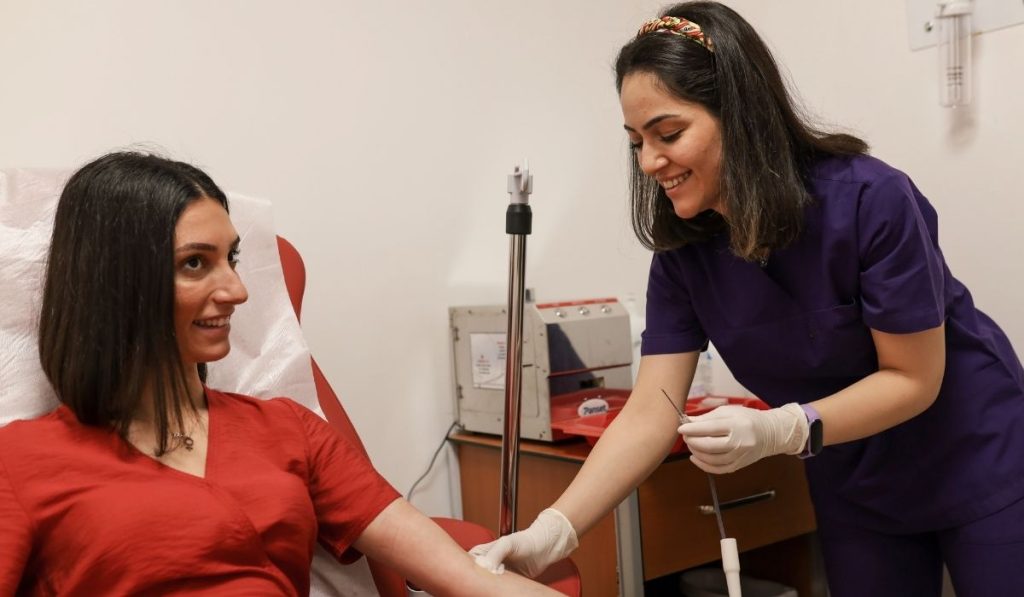
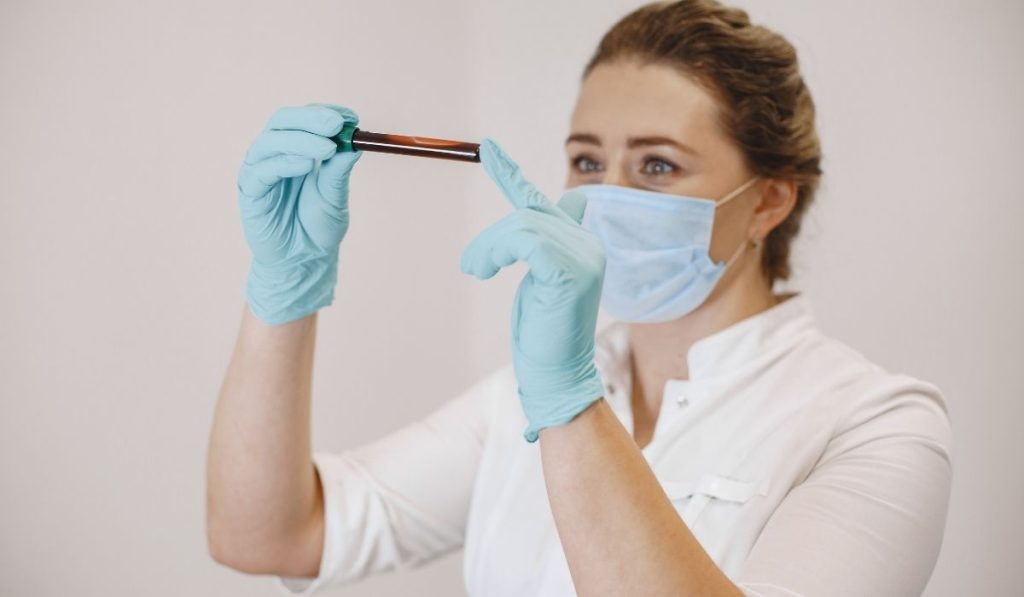
- Blood tests: These are the most common tests and can assess your red and white blood cell counts, platelet levels, and other key blood components.
- Bone marrow biopsy: If the doctor suspects a blood disorder like leukemia, a sample of your bone marrow may be taken for examination.
- Genetic testing: Some blood disorders are hereditary, so genetic testing may be recommended to understand any potential risks.
- Imaging tests: In some cases, scans may be needed to check for organ enlargement or other complications associated with blood conditions.
Once a diagnosis is made, your hematologist will develop a treatment plan tailored to your specific needs. This may include:
- Medications: There are various treatments, such as iron supplements for anemia or chemotherapy for leukemia, that can help manage blood disorders.
- Blood transfusions: In some cases, patients may require transfusions of red blood cells or platelets to restore normal blood function.
- Bone marrow transplant: For certain conditions, such as leukemia, a stem cell or bone marrow transplant may be necessary to restore healthy blood cells.
- Lifestyle modifications: Your hematologist may suggest dietary changes, physical activity, or avoiding triggers that can exacerbate your condition.
Finding the Right Hematologist Near You
When searching for comprehensive hematology care near me, it's essential to do your research and find a healthcare provider who specializes in the treatment of blood disorders.
Look for a provider with a strong reputation, positive patient reviews, and a proven track record of treating the specific conditions you may be concerned about.
It's also important to ensure that the hematology center is equipped with the latest diagnostic tools and treatment options.
Don't hesitate to ask for a consultation to get a feel for the doctor's approach to care and their level of compassion.
A good hematologist will take the time to listen to your concerns, explain treatment options, and help you make informed decisions about your health.
The Benefits of Comprehensive Care
Choosing comprehensive hematology care brings a variety of benefits.
A comprehensive care approach ensures that all aspects of your condition are addressed, from diagnosis to treatment and long-term management.
Hematologists work with other specialists, such as oncologists, cardiologists, and dietitians, to ensure that every angle of your health is managed effectively.
Additionally, a comprehensive approach to care often includes regular follow-up appointments, allowing your hematologist to monitor your progress and make adjustments to your treatment as needed.
This ongoing care is essential for managing blood disorders effectively and ensuring the best possible outcomes.
Conclusion
Your blood health is too important to ignore, and when it's at risk, seeking expert care is essential.
If you've been searching for comprehensive hematology care near me, rest assured that there are dedicated professionals who can help.
Compassionate, expert hematology care not only provides you with the necessary medical treatment but also offers the emotional support you need during challenging times.
Take the first step today in securing your health and well-being by seeking out a hematologist who can provide the comprehensive care you deserve.
Your needs are our priority. Our team works with you to create a tailor-made treatment plan for optimal care, making sure you get the care you need without the extra hassle. 👉 Book an Appointment
FAQs
What is hematology?
Hematology is the branch of medicine that focuses on the study, diagnosis, and treatment of blood disorders. It involves conditions related to red blood cells, white blood cells, platelets, and plasma. Hematologists are specialists who treat diseases such as anemia, leukemia, lymphoma, hemophilia, and more.
Why should I see a hematologist?
If you’re experiencing symptoms related to blood disorders, such as fatigue, unexplained bruising, bleeding, pale skin, or frequent infections, it’s important to consult a hematologist. Hematologists are experts in diagnosing and treating blood conditions, ensuring proper care and management of your health.
What are some common blood disorders?
Some common blood disorders include:
- Anemia: A condition where you have low red blood cell counts, leading to fatigue and weakness.
- Leukemia: A type of cancer that affects white blood cells, often leading to frequent infections and fatigue.
- Lymphoma: Cancer affecting the lymphatic system, with symptoms like swollen lymph nodes and weight loss.
- Hemophilia: A genetic condition that impairs the blood’s ability to clot, causing excessive bleeding.
- Sickle Cell Disease: A genetic disorder where red blood cells are abnormally shaped, leading to pain and complications.
How is blood health diagnosed?
Blood health is usually diagnosed through various tests:
- Blood tests: To assess red blood cell, white blood cell, and platelet counts, as well as other key markers.
- Bone marrow biopsy: To examine the bone marrow for abnormalities in blood cell production.
- Genetic testing: For hereditary blood disorders.
- Imaging tests: To check for organ enlargement or other complications.
What should I expect during a consultation with a hematologist?
During your consultation, the hematologist will take a detailed medical history, discuss any symptoms you’re experiencing, and perform relevant diagnostic tests. They may recommend further testing, such as blood work, bone marrow biopsies, or genetic screenings, depending on your symptoms. Based on the results, a personalized treatment plan will be created.
How is anemia treated?
Treatment for anemia depends on its type and cause. Common treatments include:
- Iron supplements for iron deficiency anemia.
- Vitamin B12 or folic acid supplements for deficiencies in these nutrients.
- Blood transfusions for severe cases.
- Medications to address underlying causes such as chronic disease or blood loss.
How do I find comprehensive hematology care near me?
To find comprehensive hematology care near me, you can start by searching online for local hematology centers or specialists. Ask for referrals from your primary care physician, and check online reviews or patient testimonials. It’s essential to choose a provider with a good reputation and the expertise to handle your specific blood health concerns.
Can blood disorders be inherited?
Yes, some blood disorders are genetic and can be inherited. Conditions like hemophilia, sickle cell disease, and certain types of anemia can be passed down from parents to children. If you have a family history of blood disorders, it's important to discuss this with your hematologist for early detection and management.