
In the realm of rare diseases, where treatment options are often limited, Intravenous Immunoglobulin therapy (IVIG) has emerged as a transformative treatment option.
For patients with conditions that involve immune system dysfunction, IVIG therapy provides essential support by helping to regulate immune responses and reduce the effects of a wide array of diseases.
While IVIG is well-known for treating autoimmune disorders, its benefits extend far beyond basic treatments, especially for patients suffering from rare diseases.
What is IVIG Therapy?
Intravenous Immunoglobulin therapy involves the infusion of a purified solution derived from the blood plasma of healthy donors.
This solution contains immunoglobulins (antibodies) that can help boost the immune system, modulate inflammatory responses, and protect against infections.
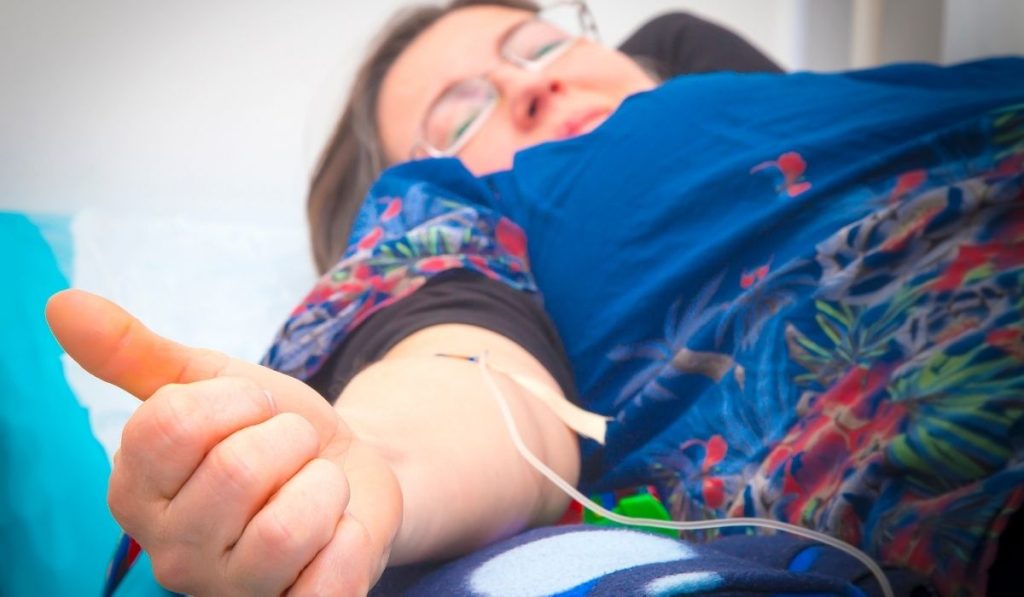
IVIG is typically administered via an intravenous (IV) drip, and the frequency of infusions can vary depending on the patient’s condition and needs.
While IVIG is commonly used for autoimmune diseases like rheumatoid arthritis and lupus, it has also proven to be highly beneficial for rare diseases, making a significant difference in the lives of those who may otherwise have limited treatment options.
For many patients, IVIG therapy is a critical tool in managing symptoms, improving quality of life, and potentially even reducing the long-term effects of their condition.
The Role of IVIG Therapy in Rare Diseases

The most notable benefit of IVIG therapy for rare disease patients lies in its ability to modulate the immune system.
Rare diseases, many of which involve immune system abnormalities, often result in severe symptoms, organ damage, or even life-threatening complications.
In conditions like Chronic Inflammatory Demyelinating Polyneuropathy (CIDP), Primary Immune Deficiency Diseases (PIDD), or Stiff-Person Syndrome, the immune system either attacks the body’s own cells or fails to provide adequate protection against infections.
IVIG therapy can provide essential immunological support, reducing inflammation and helping restore immune balance.
Some rare diseases are caused by deficiencies in specific immune system components, leading to increased vulnerability to infections and other complications.
IVIG therapy helps replenish the missing immunoglobulins, providing the necessary defense mechanisms.
For example, patients with Primary Immunodeficiencies (PIs) may benefit from IVIG to prevent infections, reducing hospitalizations and improving overall health outcomes.
Similarly, those with rare neurological disorders like Guillain-Barré Syndrome and CIDP may experience relief from symptoms like muscle weakness and pain.
Beyond its immune-boosting properties, IVIG therapy can also be critical in reducing the long-term effects of rare diseases.
For patients dealing with chronic conditions that impair physical and mental health, IVIG offers an opportunity to manage and sometimes reverse disease progression.
The treatment can help patients maintain a better quality of life by alleviating symptoms and preventing the worsening of their condition.
Why IVIG Therapy Matters
- Broad Spectrum of Uses
IVIG therapy isn’t limited to a specific disease category. It has proven beneficial in treating a range of autoimmune, neurological, and immune deficiency diseases, making it an essential therapy for many rare diseases. As a result, more patients have access to life-altering treatment options. - Immune System Modulation
One of the main reasons why IVIG therapy is so critical is its ability to help regulate immune responses. It helps control overactive immune responses in autoimmune diseases and provides support for patients with weak immune systems. By balancing immune function, it reduces the risk of infections, limits tissue damage, and enhances the body's ability to fight off illnesses. - Reduction in Hospitalization and Complications
IVIG therapy can reduce hospitalizations and the frequency of infections, both of which are common in patients with rare diseases. By enhancing immune function and controlling inflammatory processes, it decreases the likelihood of complications and improves patient outcomes. As a result, patients can experience more consistent and stable health. - Improved Quality of Life
For patients with rare diseases, the symptoms can be debilitating and often significantly impact daily life. IVIG therapy can provide relief from the physical, emotional, and mental burdens of managing chronic illness. It helps patients regain mobility, strength, and independence, improving their overall quality of life. - Customization for Individual Needs
IVIG therapy is not a one-size-fits-all solution. It can be tailored to each patient's specific condition, health status, and response to treatment. This personalized approach is particularly important for rare disease patients, as their conditions may vary in severity and presentation.
The Future of IVIG Therapy
The future of Intravenous Immunoglobulin therapy looks promising, especially as ongoing research continues to unlock new uses and better understand its mechanisms.
With advancements in technology and research, IVIG may become even more effective in treating rare diseases and other complex medical conditions.
For patients with rare diseases, it's essential to explore all treatment options, and IVIG therapy should be part of that conversation.
As medical understanding grows and treatment methods improve, the hope is that more individuals will have access to this life-changing therapy.
A Personalized Approach to Infusion Therapy
From therapies targeting autoimmune disorders to those supporting bone health and beyond. Our expert team is dedicated to providing personalized care and support throughout your infusion therapy journey.
Discover the range of infusion therapies available at Premier Hematology and take the first step towards optimal health.
Schedule an Appointment today and learn more about how IVIG therapy can help you or your loved one manage rare diseases and improve quality of life.
Conclusion
Intravenous Immunoglobulin therapy plays a crucial role in the treatment of rare diseases by offering immune support, alleviating symptoms, and enhancing overall health.
It stands as a versatile and vital tool for patients with conditions that otherwise lack comprehensive treatment options.
For those living with rare diseases, IVIG therapy offers hope and a pathway to improved health outcomes and a better quality of life.