Early cancer detection can save lives.
Whether you're seeking peace of mind, managing symptoms, or acting on a family history of cancer, finding accurate, reliable, and local testing is crucial.
If you’ve been searching for cancer testing near you in New York, this comprehensive guide breaks down the types of cancers you can be screened for, what to expect during testing, the value of early diagnosis, and where to find trusted centers across the state.
Why Cancer Testing Matters

Cancer often develops silently, with symptoms appearing only in advanced stages.
Testing enables early diagnosis, allowing for more effective and less invasive treatment options.
Whether you're undergoing routine cancer screening, have been referred due to symptoms, or carry a genetic risk, it's essential to have access to expert care.
Searching for cancer testing near me is the first step toward safeguarding your health. And for those in New York, expert help is closer than you think.
Types of Cancer Testing Available
When you search for cancer testing near you, it’s helpful to understand the categories of cancer that testing can detect.
Different cancers require different methods of diagnosis—ranging from imaging to blood tests to biopsies.
Here's a breakdown of the major categories of cancer and how they're typically identified:
1. Solid Tumors
These cancers develop in specific organs or tissues and form solid masses.
Examples include:
- Breast, lung, colon, prostate, kidney, liver, stomach, pancreatic, and brain tumors.
How they're tested:
- Imaging techniques such as MRI, CT scans, mammograms, and ultrasounds are often used.
- Blood tests and biopsies may follow to confirm diagnosis and determine the type or stage.
2. Hematologic (Blood) Cancers
These affect the blood, bone marrow, and lymphatic system.
Examples include:
- Leukemia, lymphoma (Hodgkin's and non-Hodgkin's), and multiple myeloma.
How they're tested:
- Blood tests are the primary tool for detection, including complete blood count (CBC), flow cytometry, and bone marrow biopsies.
3. Hormone-Related Cancers
These develop in organs influenced by hormones and often involve receptor testing.
Examples include:
- Breast, prostate, endometrial (uterine), and thyroid cancers.
How they're tested:
- Blood tests to check hormone levels, imaging, and tissue biopsies.
- For breast and prostate cancers, specific markers (like HER2 or PSA) are also evaluated.
4. Skin and Soft Tissue Cancers
These involve the skin, muscles, fat, nerves, and connective tissue.
Examples include:
- Melanoma, basal cell carcinoma, squamous cell carcinoma, and sarcomas.
How they're tested:
- Dermatological exams, skin biopsies, and in some cases, imaging for deeper or more advanced tumors.
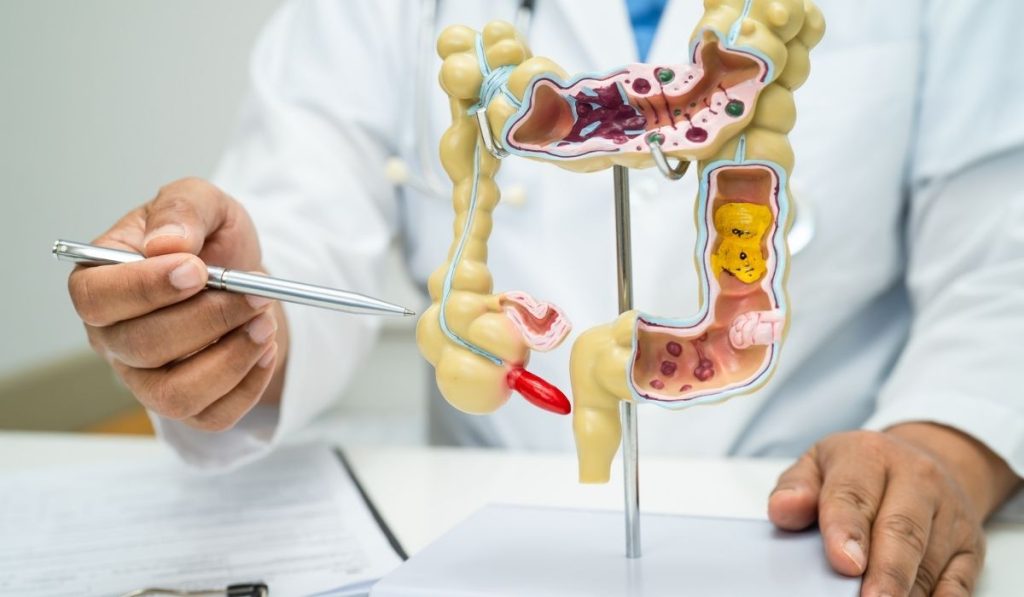
5. Gastrointestinal Cancers
These affect the digestive system from the esophagus to the rectum.
Examples include:
- Esophageal, stomach (gastric), colon, rectal, liver, pancreatic, bile duct, and appendix cancers.
How they're tested:
- Endoscopy, colonoscopy, imaging, blood tests (like liver function tests), and biopsy of suspicious lesions.
6. Gynecological and Reproductive Cancers
Cancers that affect the female and male reproductive systems.
Examples include:
- Ovarian, cervical, uterine (endometrial), vaginal, vulvar, testicular, and penile cancers.
How they're tested:
- Pap smears, pelvic exams, ultrasounds, tumor marker blood tests, and biopsies.
7. Neuroendocrine and Brain Cancers
These cancers originate in hormone-producing cells or in the brain and spinal cord.
Examples include:
- Glioblastoma, astrocytoma, pituitary tumors, meningioma, and neuroendocrine tumors.
How they're tested:
- MRI and CT scans are primary tools for diagnosis.
- Specialized blood or hormone tests and biopsies may follow for confirmation.
8. Rare and Genetic-Linked Cancers
These include inherited or uncommon cancer types, often diagnosed through genetic and molecular screening.
Examples include:
- Neurofibromatosis-related tumors, gastrointestinal stromal tumors (GIST), and some triple-negative or HER2-positive breast cancers.
How they're tested:
- Genetic testing panels, blood biomarker analysis, and tissue sampling under molecular diagnostics.
Each category requires a tailored approach for testing and diagnosis.
That's why it's critical to consult a specialist who can guide you toward the right screening strategy based on your personal risk factors, symptoms, and family history.
Looking for cancer testing in New York? Premier Hematology and Oncology offers comprehensive evaluations across all major cancer types, ensuring you get the precise care and diagnostics you need.
What's Included in Cancer Testing?
The term cancer testing covers a wide range of evaluations and technologies. Depending on your symptoms, family history, or health goals, you may undergo:
- Imaging tests (MRI, CT scan, mammogram, PET scan)
- Blood tests (tumor markers, complete blood counts)
- Genetic testing (for hereditary cancer syndromes)
- Biopsy and pathology
- Molecular diagnostics
- Urine or stool sample tests
Each type of cancer requires specific testing methods.
For example, breast cancer often starts with a mammogram and may lead to ultrasound or biopsy.
Blood cancers like leukemia are diagnosed with blood tests and bone marrow biopsies.
As always, consult with your provider to determine which tests are right for you.
Cancer Testing Costs in New York (What to Expect)
While we can't provide exact prices, most cancer testing costs vary based on:
- Type of test performed
- Whether imaging is required
- Need for follow-up biopsies
- Whether genetic counseling is included
- Insurance coverage
- Location and type of healthcare provider
The good news is many cancer screenings are covered by insurance, especially when deemed medically necessary.
Preventive screenings (such as mammograms or colonoscopies) may be free under your health plan. Always confirm coverage with your insurance provider.
Where to Find Cancer Testing Near Me in New York
If you’re searching for cancer testing near me, these locations of infusion centers and clinics throughout New York offer diagnostic testing, evaluations, and supportive care for patients at all stages of their journey.
Locations:
- Astoria
- Brooklyn
- Five Towns
- Great Neck
- Howard Beach
- Manhattan
- Monroe
- Monsey
- Port Jefferson
- Queens
These centers are trusted by patients across the state and provide high-quality cancer testing and infusion therapy in safe, welcoming environments.
Their commitment to compassionate, patient-centered care makes them a go-to for those searching for cancer testing near you in New York.
Why Choose Premier Hematology and Oncology?
If you're in New York and looking for personalized, comprehensive cancer testing and care, look no further than Premier Hematology and Oncology.
Here's why:
- Expert Cancer Specialists: Board-certified hematologists and oncologists experienced in diagnosing a full spectrum of cancers.
- Comprehensive Testing Services: From standard screenings to genetic testing and complex diagnostic evaluations.
- Convenient Locations: With centers in Manhattan, Queens, Brooklyn, and beyond, finding cancer testing has never been easier.
- Supportive Environment: Focused on comfort, clarity, and compassionate care every step of the way.
- Cutting-Edge Technology: Utilizing advanced lab diagnostics and molecular testing platforms to ensure accuracy and early detection.
Whether you're worried about a specific symptom or simply due for a routine check, Premier Hematology and Oncology provides world-class testing and care across New York.
When Should You Get Tested?
You should consider cancer testing near you if:
- You have a family history of cancer
- You experience unexplained weight loss, fatigue, or pain
- You notice lumps, swelling, or unusual bleeding
- You’re over the age of 40 and due for routine screening
- Your physician recommends genetic testing
- You belong to a high-risk group based on ethnicity, lifestyle, or genetics
Early detection remains the key to successful treatment.
What Happens After Cancer Testing?
Once your results are in, your healthcare provider will discuss the findings. Depending on the outcome, the next steps may include:
- Further testing
- Specialist referral
- Treatment planning
- Lifestyle changes
- Monitoring and follow-up screenings
Patients who test positive for cancer receive immediate support, often including referrals to oncologists, access to infusion therapy, or clinical trials.
Final Thoughts
Your search for cancer testing near you is not just about finding a location. It's about taking control of your health.
With a vast network of trusted centers across New York and expert providers like Premier Hematology and Oncology, you're never alone in this journey.
No matter the type of cancer you're screening for—from common to rare—early detection, expert support, and compassionate care are well within reach.
Use this guide to take your next step confidently and schedule your testing today.
FAQs
Where can I find cancer testing near me in New York?
You can find cancer testing services at several infusion centers throughout New York. Locations include Manhattan, Queens, Brooklyn, Astoria, and more. These centers are equipped to test for a wide variety of cancers. Premier Hematology and Oncology offers expert diagnostic services at all of these facilities.
What types of cancer can be tested at New York clinics?
Clinics in New York provide testing for solid tumors, blood cancers, and rare types. You can be screened for cancers like breast, colon, lung, leukemia, ovarian, and others. Genetic testing is also available for hereditary cancer risks. Testing is customized based on your symptoms, age, and risk profile.
How much does cancer testing cost in New York?
Cancer testing costs in New York typically range from $100 to over $10,000. The final price depends on the type of test, imaging, and follow-up required. Preventive screenings like mammograms or colonoscopies are often covered by insurance. Always check with your provider and insurer for accurate pricing.
When should I consider getting tested for cancer?
You should consider testing if you have symptoms, a family history of cancer, or are due for a routine screening. Most adults should begin regular screenings around age 40, depending on the cancer type. High-risk individuals may need earlier testing. Early detection greatly improves treatment outcomes.
Does Premier Hematology and Oncology offer cancer testing?
Yes, Premier Hematology and Oncology offers a full range of cancer testing services. This includes imaging, blood work, biopsies, and genetic screening. Their New York locations are fully equipped for diagnostics and patient support.