Fibroids cause heavy menstrual bleeding, and heavy bleeding depletes iron. Treating the fibroids does not replace the iron already lost, and replacing iron does not stop the bleeding. Both need addressing, usually by two clinicians working in parallel.
Why fibroids drain iron so effectively
Uterine fibroids are common — a majority of women develop them by age 50, with higher prevalence and earlier onset among Black women. Many cause no symptoms at all.
When they do, heavy and prolonged bleeding is the most common one. Submucosal fibroids, which sit against the uterine cavity, distort the surface that sheds each month and increase both the volume and duration of bleeding. Larger fibroids can enlarge the cavity itself.
The result is a monthly iron loss that outruns what the gut can absorb, sustained over years. Fibroids typically grow through the thirties and forties, so the bleeding tends to worsen at exactly the point iron reserves are already lowest.
The gap that leaves women stuck
Gynecology treats the fibroids. Hematology treats the iron. In practice, patients frequently get one and not the other.
A woman is worked up for fibroids, offered management options, and the anemia is noted but treated as a side effect that will resolve once the bleeding does. It often does not — not quickly. Stores emptied over years do not refill from diet or a supplement in a few months, particularly while any bleeding continues.
Or the reverse: iron gets replaced repeatedly without anyone asking why it keeps disappearing, and the patient ends up on an indefinite treadmill.
Replacing iron without addressing the bleeding is a treadmill. Addressing the bleeding without replacing iron leaves you to recover on empty. Both jobs are real.
Before surgery, iron matters more than most people are told
For women heading into a hysterectomy, myomectomy or ablation, going in iron-deficient is a measurable disadvantage. Preoperative anemia is associated with higher transfusion rates, more complications and slower recovery.
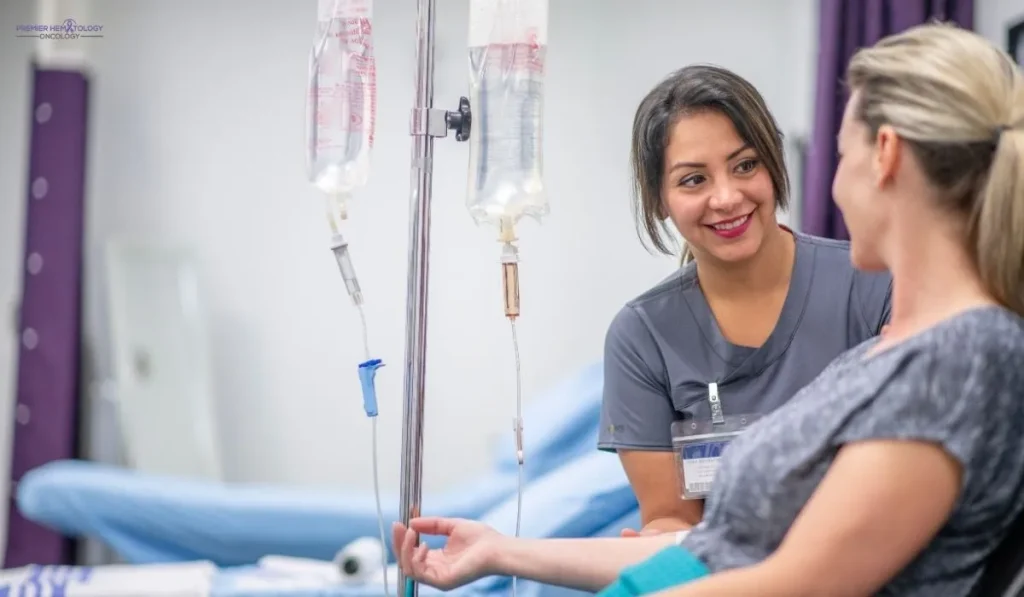
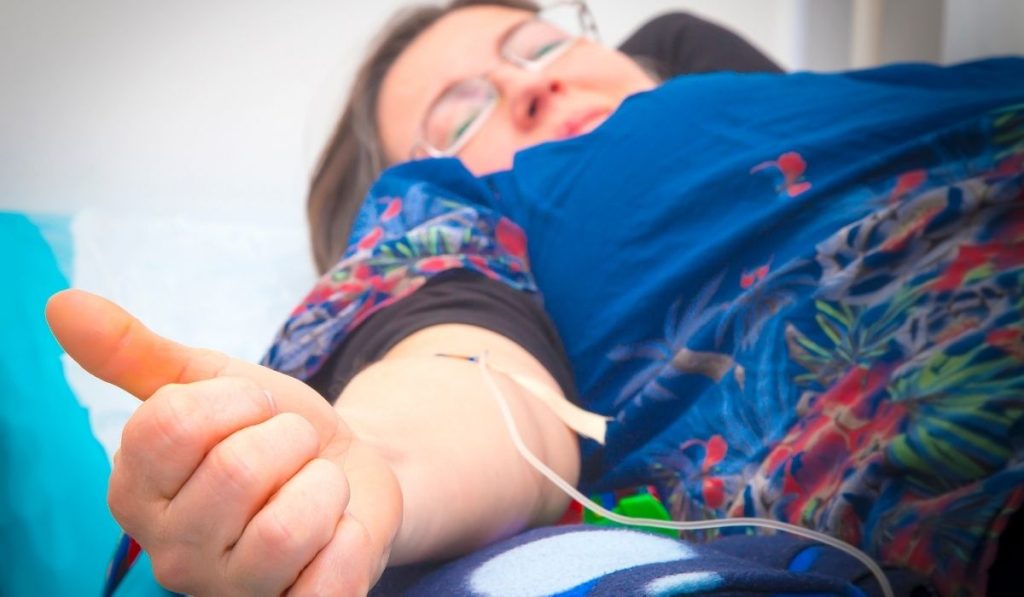
Correcting iron beforehand is one of the more clearly worthwhile interventions available — and it is time-sensitive, because oral iron needs months while intravenous iron can close the deficit in one or two visits before a scheduled date.
If you have a procedure booked and nobody has checked your ferritin, that is worth raising with your surgeon now rather than after.
What co-managed care looks like
At our Atlanta clinic the pattern is straightforward. We establish the size of the deficit with a full iron panel drawn on site, correct it at a pace that matches your situation, and make sure your gynecologist has what they need.
If you do not currently have a GYN in Atlanta, we can point you toward one. If you already have a treatment plan for the fibroids, we work around it — including timing an infusion ahead of a surgical date.
And if the bleeding pattern does not fully fit fibroids, we look further. Inherited bleeding disorders such as von Willebrand disease are found in a meaningful minority of women evaluated for heavy menstrual bleeding, and they are a hematology diagnosis rather than a gynecologic one.
Frequently Asked Questions
Do fibroids cause anemia?
Fibroids commonly cause heavy and prolonged menstrual bleeding, which depletes iron faster than diet or oral supplements replace it. Sustained over years, this leads to iron deficiency and eventually iron deficiency anemia.
Will treating my fibroids fix my anemia?
Not on its own, and not quickly. Stopping the bleeding halts further loss, but iron stores emptied over years do not refill rapidly. The existing deficit generally needs replacing separately.
Should I correct iron before fibroid surgery?
Yes, where time allows. Preoperative anemia is associated with higher transfusion rates and slower recovery. Intravenous iron can close a deficit in one or two visits, whereas oral iron needs months.
Can I have iron infusions while I still have fibroids?
Yes. Iron replacement treats the deficiency regardless of whether the bleeding source has been addressed, though ongoing heavy bleeding may mean a maintenance plan rather than a single course.
What if my bleeding does not seem to fit my fibroids?
It is worth screening for an inherited bleeding disorder. Von Willebrand disease is found in a meaningful minority of women evaluated for heavy menstrual bleeding and is diagnosed and managed by a hematologist.
If you are being treated for fibroids and nobody has checked your ferritin, that is a gap worth closing. Premier Hematology treats iron deficiency and women’s blood health across 14 centers in the New York metro area and at our Atlanta clinic in Sandy Springs. Next-day appointments, on-site lab work, and no referral required — call (718) 866-3037 in New York or (770) 588-3570 in Atlanta, or book a consultation. More on heavy periods and iron deficiency in New York or in Atlanta.