Everyone slows down a little with age — but what if that tired, sluggish feeling you've been blaming on getting older is actually a sign that something's off?
Fatigue is one of the most commonly overlooked symptoms of iron deficiency anemia, especially in adults over 60. Because the symptoms often develop gradually, many people assume it's just part of aging — but that assumption can delay proper treatment.
Here are 7 warning signs that your fatigue might be due to low iron, not your age.
1. You're Tired No Matter How Much You Sleep
You're getting eight hours, maybe even more, but you wake up feeling like you barely rested. That's because when your body doesn't have enough iron, your blood can't carry oxygen effectively — and oxygen is what fuels your energy.
2. You Get Winded Easily Doing Simple Tasks
Walking up a flight of stairs or carrying groceries suddenly feels like a workout. Low iron levels make your muscles work harder just to do basic things, leaving you short of breath faster than usual.
3. You Feel Dizzy or Lightheaded, Especially When Standing Up
Iron helps maintain proper blood flow and oxygen delivery to your brain. A deficiency can cause dizziness or feeling faint — a clear sign your body is struggling.
4. Your Thinking Feels Slower or Foggy
If your memory feels fuzzy or you're struggling to concentrate, don't rush to blame it on aging. Iron plays a key role in brain function, and iron deficiency can impair focus, processing speed, and mental clarity.
5. You Always Feel Cold — Even in Warm Rooms
Low iron affects your circulation and can cause you to feel cold, especially in your hands and feet. If you're always reaching for an extra layer, it might be time to check your iron levels.
6. You Look Pale or Washed Out
Iron is what gives red blood cells their color. When your levels drop, you may notice your skin, lips, or nail beds look paler than usual — a common sign of anemia.
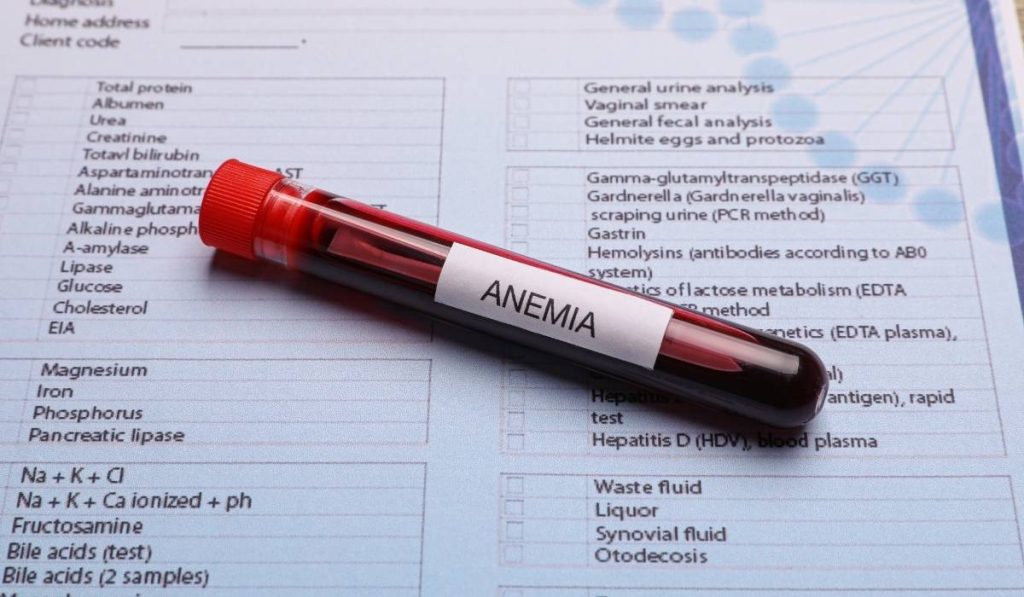
7. You've Been Told Your Bloodwork Is 'A Little Off'
If a past blood test showed "slightly low hemoglobin" or your doctor mentioned anemia but didn't follow up — don't ignore it. Even mild iron deficiency can cause major symptoms, and it's often underdiagnosed in older adults.
What You Can Do
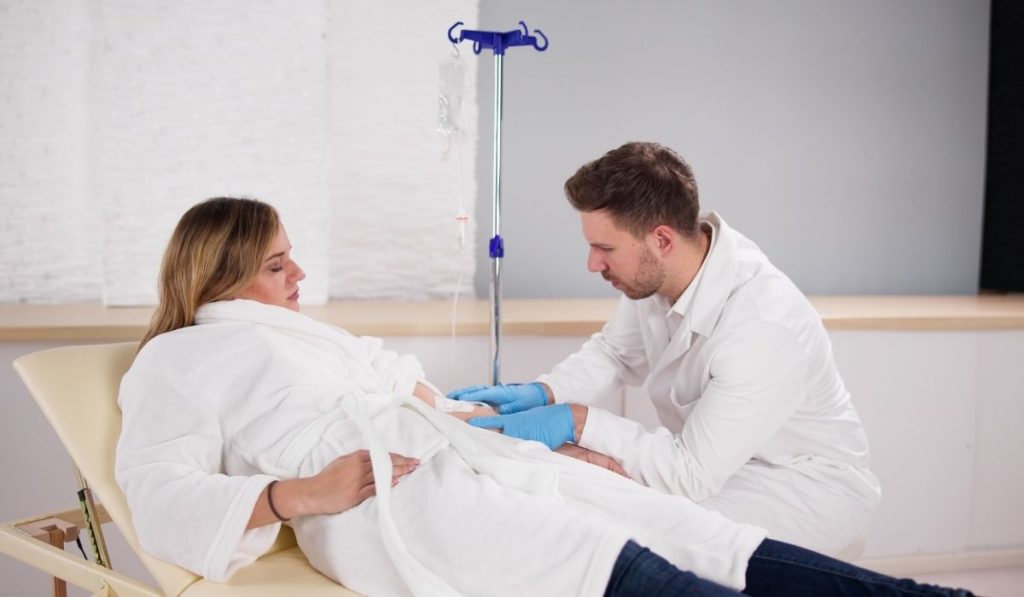
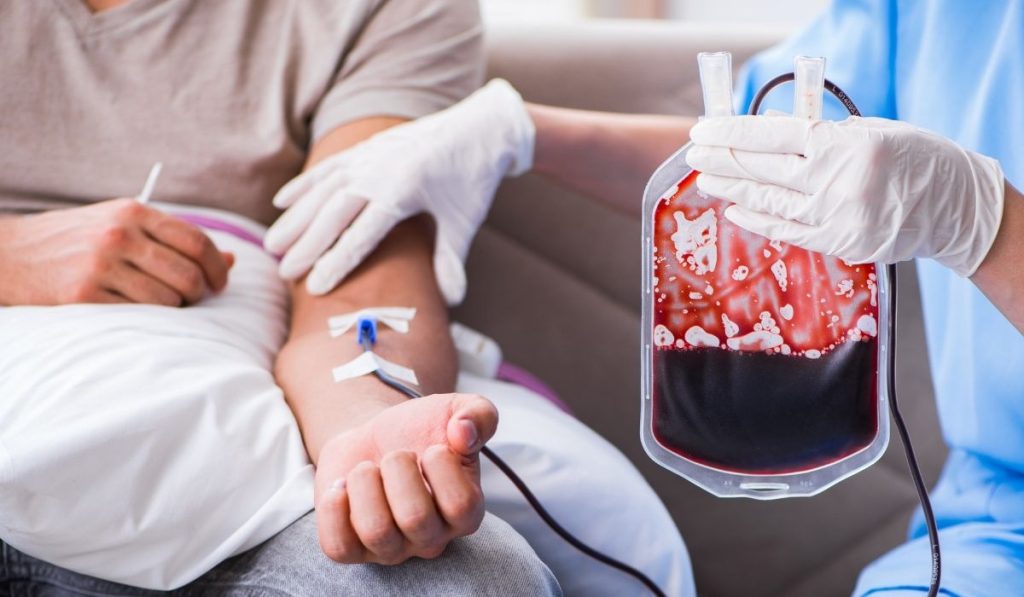
If these symptoms sound familiar, the next step is easy: get your iron checked. A simple blood test can reveal if iron deficiency is behind your fatigue — and in many cases, iron infusions can help you feel dramatically better in just a few treatments.
At Premier Hematology and Oncology, we offer fast access to telehealth iron consultations and next-day infusions at our comfortable centers throughout New York.
Don't Let Low Iron Slow You Down
You don't have to accept fatigue as part of aging. Many older adults regain their strength, energy, and clarity once iron levels are restored.
Find out if you're one of them.