If you've been feeling constantly tired, dizzy, or short of breath, anemia could be the reason behind your symptoms.
Anemia is a common condition where your body doesn't produce enough healthy red blood cells to carry oxygen to tissues.
When oral iron supplements don't work or aren't tolerated, anemia iron infusion becomes a powerful treatment option.
Whether you’re looking for anemia iron infusion near me or exploring IV therapy for anemia treatment, this guide will help you understand everything about the procedure, its benefits, and what to expect.
If you're located in Port Jefferson or surrounding areas, and are searching for a trusted provider, you'll also learn how Port Jefferson Infusion Center services, such as those offered by Premier Hematology, can support your recovery.
What is anemia iron infusion?

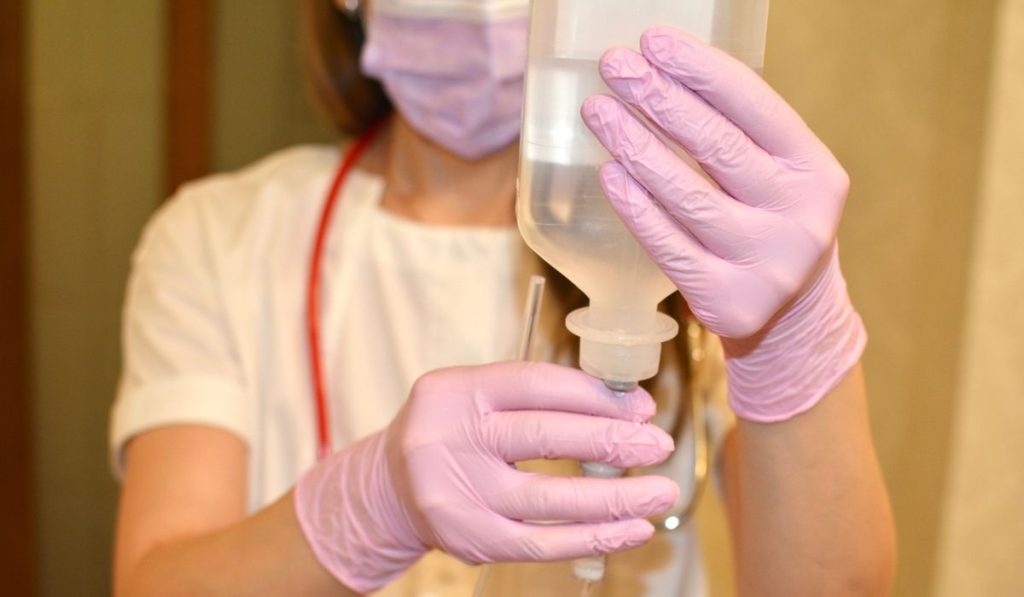
An anemia iron infusion is a medical procedure where iron is delivered directly into your bloodstream through a vein.
This approach is recommended when your body needs iron quickly or when oral supplements have failed due to gastrointestinal side effects or poor absorption.
Unlike pills that pass through the digestive tract, this IV therapy for anemia treatment bypasses the gut entirely.
This allows for faster absorption and better replenishment of iron stores in individuals with moderate to severe anemia.
Patients with chronic conditions like kidney disease, inflammatory bowel disease, or certain types of cancer often benefit the most.
This infusion is typically administered in a medical office or specialized facility, like a hospital or a dedicated infusion center such as Port Jefferson Infusion Center.
It's important to undergo a proper medical evaluation and diagnosis before receiving the treatment.
Types of anemia iron infusion
Several types of intravenous iron formulations are used depending on your condition, underlying cause of anemia, and provider preference.
Some common forms include:
- Iron sucrose – Usually given in several smaller doses and commonly used for chronic kidney disease patients.
- Ferric carboxymaltose – Allows for larger single doses and quicker correction of iron deficiency.
- Iron dextran – Suitable for patients needing large doses, though it may require a test dose due to the potential for allergic reaction.
- Ferumoxytol – Another rapid delivery option often given in two doses over a few days.
No matter which formulation your provider recommends, they all aim to achieve one thing: restoring your iron levels quickly and effectively through IV therapy for blood conditions.
Each option is considered safe and effective, and your healthcare provider will determine which is best for your unique needs.
How effective is anemia iron infusion?
Anemia iron infusion is one of the most effective ways to restore iron levels in patients with iron-deficiency anemia.
Clinical results show that iron infusions lead to a rapid increase in hemoglobin and ferritin levels—often within one to three weeks.
Patients typically report:
- Increased energy and reduced fatigue
- Improved mental clarity
- Better exercise tolerance
- Enhanced immune response
These improvements are especially valuable when traditional methods—like oral supplements—haven't worked.
For those actively searching for an anemia iron infusion near me, it's good to know that local treatment centers like Port Jefferson Infusion Center can offer immediate access to this reliable solution.
How to save on your anemia iron infusion
Getting the most value from your care often depends on how it's managed.
While we won't discuss pricing or discounts, there are ways to ensure your treatment is efficient and well-supported:
- Choose a center experienced in IV therapy: Locations like Port Jefferson Infusion Center specialize in IV therapy for blood conditions, making your infusion process smoother and more comfortable.
- Work with your insurance provider: Many plans cover infusions if they are medically necessary. Ensure your provider's documentation supports the diagnosis and treatment.
- Coordinate care with your hematologist: Working closely with a specialist ensures you only receive the iron you need, avoiding unnecessary procedures.
These approaches not only support your health but also maximize the treatment’s success without unnecessary duplication of care.
How common is an anemia iron infusion?
Anemia iron infusion treatments are becoming more common in both outpatient clinics and specialty infusion centers.
Iron deficiency is one of the most widespread nutritional deficiencies globally, and millions of patients across the U.S. receive IV iron each year.
Who typically receives iron infusions?
- Women with heavy menstrual bleeding
- Pregnant women with low iron levels
- Cancer patients undergoing chemotherapy
- People with chronic kidney disease or gastrointestinal issues
- Post-surgical patients with blood loss
As awareness grows around IV therapy for anemia treatment, more individuals are being referred to specialty clinics like Port Jefferson Infusion Center for effective and supervised iron repletion therapy.
Procedure Details
Before beginning an anemia iron infusion, you'll undergo blood tests to determine your iron levels, hemoglobin, and overall health profile.
Once you're cleared, the actual infusion process is fairly straightforward.
Here's what you can expect:
- Pre-check: A nurse will check your vitals and prepare your arm or hand for IV insertion.
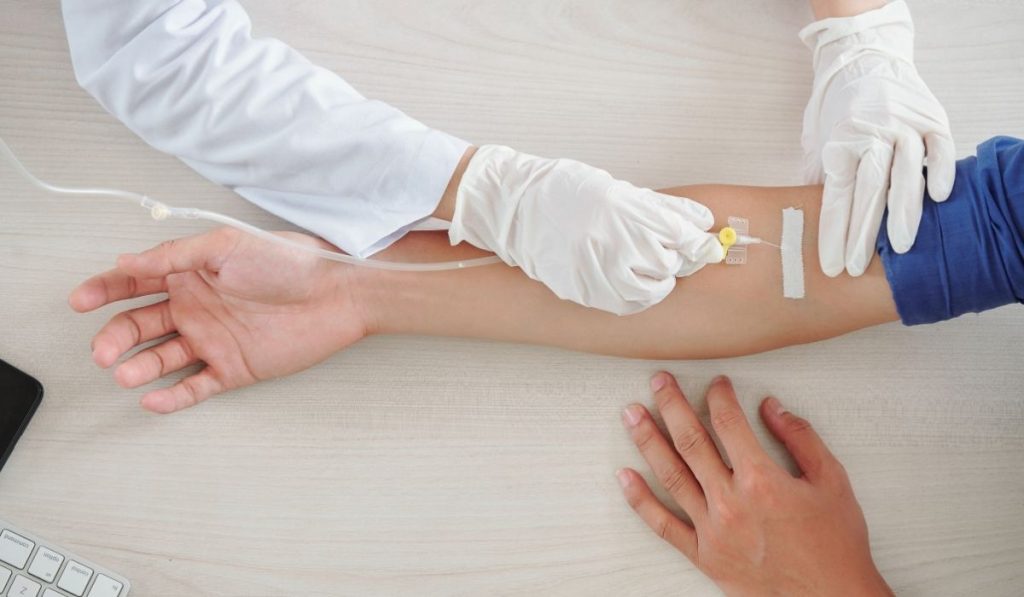
- IV placement: A catheter is inserted into a vein, usually in the hand or arm.
- Infusion: Iron is slowly infused through the IV line. Depending on the formulation, this can take 30 minutes to several hours.
- Monitoring: You'll be observed during and after the procedure for any signs of reaction.
This safe and efficient treatment has minimal side effects and can often be done without hospitalization.
Many patients return to their normal activities shortly after.
What happens during an anemia iron infusion
The experience during the infusion is generally very calm and relaxed.
Patients usually sit in a reclining chair and may read, use a device, or rest during the session.
Here's what typically happens:
- You'll be seated comfortably in a treatment area.
- The nurse will sanitize the IV site and begin the infusion.
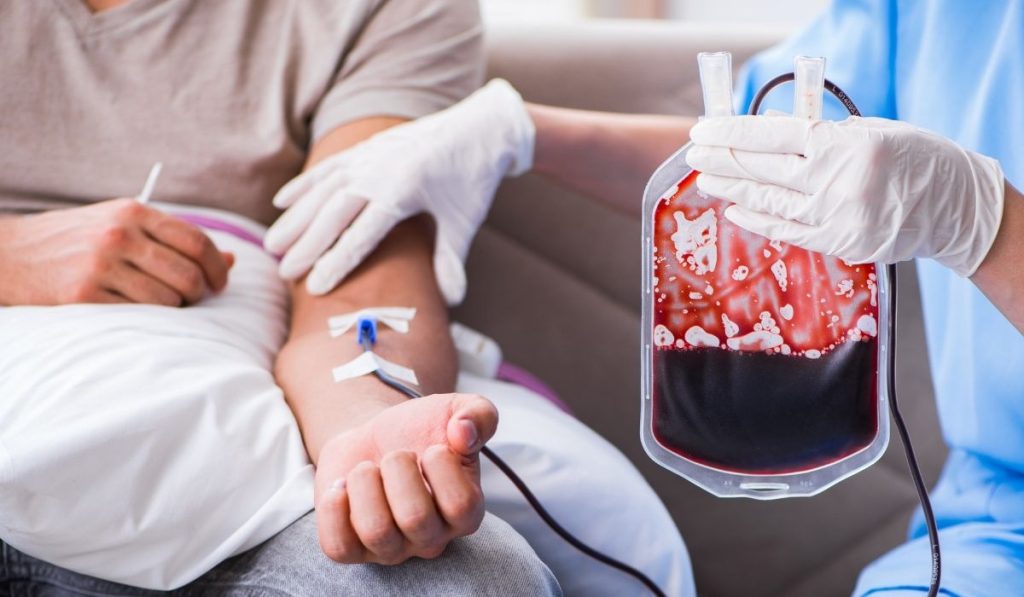
- The medication will flow gradually into your bloodstream.
- You may feel a cooling sensation or mild discomfort at the IV site initially.
- The nurse will monitor you for symptoms like headache, dizziness, or a metallic taste—although most people have no reaction at all.
Some people feel more energized within days, while others notice improvements over 1–2 weeks.
This varies based on the severity of the anemia and how your body responds to IV therapy for blood conditions.
Summary
For individuals suffering from iron-deficiency anemia, an anemia iron infusion can be life-changing.
It offers fast, effective iron replenishment—especially when oral supplements fail.
It's a powerful form of IV therapy for anemia treatment, trusted by hematologists and offered in top facilities like Port Jefferson Infusion Center.
From understanding your options to knowing what to expect during the procedure, the journey toward better health starts with being informed.
Whether you've been struggling with chronic fatigue or your doctor has recently recommended iron infusion therapy, you're not alone—and expert care is within reach.
Call to Action
Looking for trusted anemia iron infusion near me?
At Premier Hematology, we provide advanced IV therapy for blood conditions at our Port Jefferson location and surrounding areas.
Our team of compassionate professionals is committed to helping you feel your best with the safest and most effective treatment options.
Contact us today to schedule your consultation at Premier Hematology and take the first step toward restoring your energy and vitality.
Faqs
How long does an anemia iron infusion take?
The duration of an anemia iron infusion depends on the type of iron preparation used and your individual treatment plan. On average, a single session can take anywhere from 30 minutes to over 2 hours. Some formulations are designed for quick delivery and are completed in under an hour, while others must be administered slowly to minimize the risk of side effects. Your healthcare provider will determine the appropriate rate and dosage for your condition. You may also be asked to stay for monitoring after the procedure to ensure you don't experience any adverse reactions, especially during your first infusion.
How will I know if the anemia iron infusion is working?
Most patients begin to feel noticeable improvements within a few days to two weeks after receiving an anemia iron infusion. Signs that the infusion is working include increased energy, reduced fatigue, improved mental clarity, and less shortness of breath. Lab results will also help confirm treatment success. Your provider will check your hemoglobin and ferritin levels during follow-up visits to ensure your iron stores are increasing. If you’re receiving care at a reputable clinic like Port Jefferson Infusion Center, your progress will be closely monitored to adjust treatment as needed. Tracking how you feel physically is just as important as lab data.
Is anemia iron infusion safe?
Yes, anemia iron infusion is generally considered very safe when administered under medical supervision. Modern formulations have significantly reduced the risk of serious allergic reactions. While minor side effects like nausea, headache, or a metallic taste can occur, these are usually short-lived. Serious complications are rare, especially at experienced centers that specialize in IV therapy for blood conditions. Facilities like Port Jefferson Infusion Center have trained medical staff on hand to monitor your response throughout the infusion. If you have a history of allergies or sensitivities, always inform your care team before the procedure begins.
Can I resume normal activities after my infusion?
Yes, in most cases, patients can resume regular activities shortly after receiving an anemia iron infusion. Since the procedure is minimally invasive and outpatient-based, there is typically no need for hospitalization or extended downtime. You might feel a bit tired or lightheaded for a few hours following the infusion, so it's best to avoid strenuous activity immediately afterward. Drinking water, eating a healthy meal, and resting for the remainder of the day can help your body adjust. If you're receiving infusions at Port Jefferson Infusion Center, the staff will advise you based on how you're feeling post-treatment.
What should I do before getting an anemia iron infusion?
Before undergoing an anemia iron infusion, your healthcare provider will conduct a thorough evaluation, including blood tests to confirm iron deficiency anemia. It's important to share your full medical history, especially if you have allergies, chronic conditions, or are taking medications. On the day of your appointment, wear comfortable clothing and eat a light meal unless instructed otherwise. Stay hydrated, but avoid caffeinated beverages before your session. At infusion centers like Port Jefferson Infusion Center, you'll receive personalized instructions to help ensure a smooth and comfortable experience. Preparation helps reduce side effects and ensures the therapy is as effective as possible.
Will I need repeated anemia iron infusions?
Whether you'll need additional anemia iron infusions depends on the underlying cause of your anemia, your iron levels, and how well you respond to treatment. Some patients require just one or two sessions to restore their iron stores, while others—especially those with chronic conditions like kidney disease or gastrointestinal disorders—may need regular maintenance infusions. Your provider will monitor your hemoglobin, ferritin, and transferrin saturation levels through blood tests. Regular follow-ups are key to determining if more infusions are needed. At facilities like Premier Hematology’s Port Jefferson Infusion Center, care plans are customized to fit each patient's unique medical needs.
Can I get anemia iron infusion during pregnancy?
Yes, anemia iron infusion can be safely administered during pregnancy, especially if oral iron supplements are ineffective or cause intolerable side effects. Pregnant women are at higher risk for iron deficiency due to increased blood volume and fetal demands. Ensuring proper iron levels is vital for both maternal and fetal health, and intravenous iron may be recommended in the second or third trimester when immediate correction is necessary. Always consult with your OB-GYN and a hematologist before beginning infusion therapy. Reputable clinics like Port Jefferson Infusion Center are equipped to handle infusions during pregnancy with added precautions and care.
Who qualifies for anemia iron infusion?
Not everyone with low iron needs an infusion. Candidates for anemia iron infusion typically include patients who:
- Cannot tolerate oral iron supplements due to digestive side effects
- Have not responded well to oral iron after several weeks
- Have severe iron-deficiency anemia requiring quick replenishment
- Are experiencing chronic blood loss due to menstruation, surgery, or illness
- Have malabsorption syndromes (e.g., celiac disease or inflammatory bowel disease)
- Have chronic kidney disease or are undergoing dialysis
- Are pregnant with moderate to severe iron deficiency
A consultation with a hematologist, such as those at Premier Hematology, will help determine if you're a good candidate for IV therapy for anemia treatment.