
Oral iron usually fails for one of four reasons: the dosing schedule is blocking absorption, side effects have made it impossible to keep taking, ongoing blood loss is outpacing it, or something is preventing absorption entirely. Each has a different fix.
Reason one: you are taking it too often
This is the most common and the most fixable. Every dose of oral iron raises hepcidin, a hormone that shuts down iron absorption for roughly the next 24 hours. Take iron daily and each dose lands while the last one is still blocking the door.
Taking iron on alternate days, in a single dose rather than split, absorbs meaningfully better than daily dosing — and it usually causes fewer side effects, because less unabsorbed iron sits in the gut.
Take it on an empty stomach where you can tolerate it, with vitamin C or orange juice, and keep it away from coffee, tea, dairy, calcium supplements, antacids and proton pump inhibitors, all of which cut absorption.
Reason two: you stopped taking it
Nausea, constipation, cramping, a metallic taste and black stools are common enough that a large share of people abandon oral iron within a few months. That is not a failure of willpower; it is a predictable property of the drug.
Before giving up, it is worth trying alternate-day dosing, a different salt (ferrous bisglycinate is often better tolerated than ferrous sulfate), or taking it with a small amount of food and accepting slightly lower absorption in exchange for actually continuing.
If none of that works, that is a legitimate clinical finding — “oral iron not tolerated” — and it is precisely the documentation insurers look for when authorising intravenous iron.
Reason three: you are still bleeding
The gut can absorb only a limited amount of iron per day under the best conditions. If heavy periods, fibroids or a gastrointestinal source are removing more than that, tablets can only tread water. Your levels stay flat and it looks like the iron is not working, when in fact it is being outrun.
The fix is not more tablets. It is identifying and addressing the source of the loss, and closing the existing deficit with something faster than oral absorption allows.
If your ferritin has not moved after three months of consistent, correctly-dosed oral iron, the problem is not the dose. Something else needs to be found.
Reason four: you are not absorbing it
Celiac disease, inflammatory bowel disease, autoimmune gastritis, H. pylori infection and prior bariatric surgery all impair iron absorption, sometimes severely. So does long-term use of acid-suppressing medication, since stomach acid is needed to absorb iron from food and tablets.
In these cases oral iron can be taken perfectly and still do very little. Intravenous iron bypasses the digestive system entirely, which is why it is the standard answer for malabsorption.
What comes next
A proper workup answers three questions: how big is the deficit (ferritin and a full iron panel), why is it there (blood loss, absorption, or intake), and what will close it fastest given your situation.
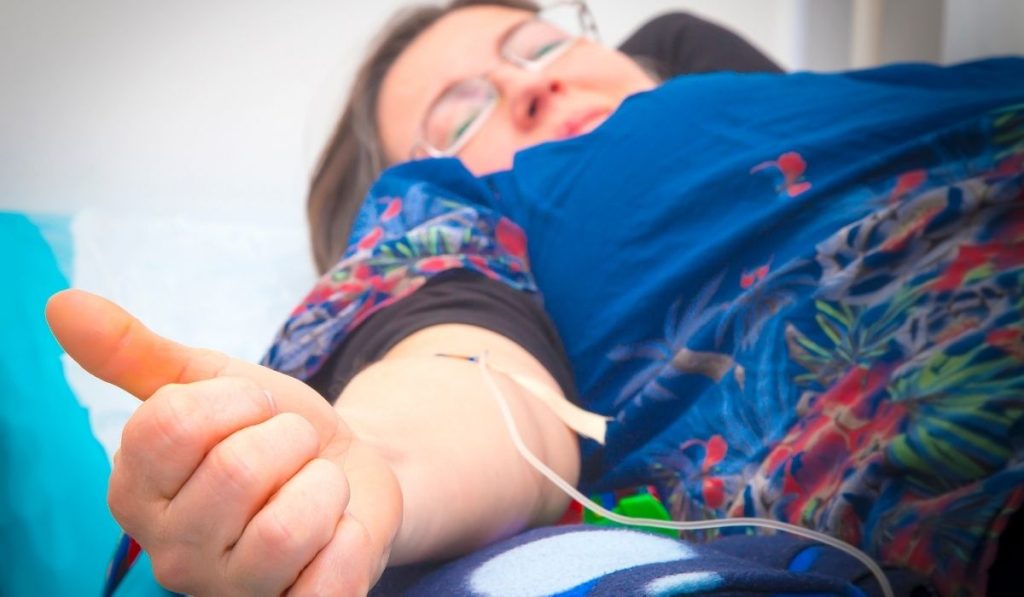
Intravenous iron delivers a full replacement dose in one or two visits of 45 to 90 minutes, and most patients notice their energy lifting within one to three weeks. It is the right answer for large deficits, failed or intolerable oral therapy, malabsorption, ongoing heavy bleeding, and correcting iron before surgery — not for everyone with a mildly low number.
If you have tried tablets and stopped, bring that history to your appointment. What you took, for how long, and what happened is clinically useful and speeds up insurance authorisation considerably.
Frequently Asked Questions
Why are my iron pills not working?
The usual reasons are daily dosing that raises hepcidin and blocks absorption, side effects that interrupted the course, ongoing blood loss outpacing absorption, or a malabsorption condition. Each has a different solution.
Should I take iron every day or every other day?
Alternate-day dosing generally absorbs better than daily dosing, because each dose raises hepcidin and suppresses absorption for around 24 hours. It also tends to cause fewer gastrointestinal side effects.
How long should oral iron take to work?
Hemoglobin typically begins to respond within two to four weeks, but refilling iron stores takes three to six months of consistent dosing. If ferritin has not moved after three months of correct dosing, something else is going on.
What should I not take with iron tablets?
Avoid taking iron with coffee, tea, dairy, calcium supplements, antacids or proton pump inhibitors, all of which reduce absorption. Vitamin C or orange juice improves it.
When is an iron infusion appropriate instead?
When the deficit is large, oral iron has failed or cannot be tolerated, absorption is impaired by a gut condition or bariatric surgery, blood loss is ongoing, or iron needs correcting before surgery.
If you have done everything right with tablets and the numbers have not moved, the next step is finding out why. Premier Hematology treats iron deficiency and women’s blood health across 14 centers in the New York metro area and at our Atlanta clinic in Sandy Springs. Next-day appointments, on-site lab work, and no referral required — call (718) 866-3037 in New York or (770) 588-3570 in Atlanta, or book a consultation. See also how the IV iron options compare.