Persistent exhaustion, breathlessness, brain fog and hair shedding beyond six weeks postpartum are frequently caused by iron deficiency — pregnancy’s draw on your stores plus blood loss at delivery. It is common, it is measurable with a ferritin level, and it is treatable.
Everything gets blamed on the baby
New mothers are told to expect exhaustion, and they should — broken sleep alone will do it. Which is exactly why postpartum iron deficiency goes unrecognised for months: every symptom it produces is on the list of things you are supposed to feel.
The distinguishing feature is trajectory. Sleep-related tiredness improves as the baby sleeps more. Iron deficiency does not improve on its own, because nothing has refilled the tank.
If you are four, six or nine months out and feel no better than you did at six weeks — or worse — that is worth a blood test rather than another reassurance.
Where the iron went
Pregnancy requires roughly 1,000 mg of extra iron. Most women do not start with that in reserve, so they finish pregnancy already drawn down.
Then delivery. A vaginal birth loses around 500 mL of blood, a cesarean closer to 1,000 mL, and a postpartum hemorrhage considerably more. Every millilitre takes iron with it.
Then breastfeeding, which continues a modest daily draw. Layer the three and it is entirely possible to leave hospital with a hemoglobin nobody flagged and stores close to empty.
A postpartum hemoglobin check tells you whether you are anemic today. A ferritin tells you whether you have anything left to recover with. They are different questions.
Why it matters beyond feeling tired
Postpartum iron deficiency has been associated with worse fatigue, reduced exercise capacity, impaired concentration, and higher rates of postpartum depression. It is not merely uncomfortable.
There is also a practical dimension: recovering from a delivery, caring for a newborn and often returning to work all demand physical reserve. Doing that on empty iron stores is measurably harder, and it is a fixable disadvantage.
- Fatigue that does not improve as sleep improves
- Breathlessness climbing stairs or carrying the baby
- Brain fog and difficulty concentrating
- Hair shedding three to four months postpartum, heavier or longer than expected
- Restless legs at night
- Feeling cold, or unusually pale
- Low mood that does not fit how you expected to feel
How it gets treated
First, measurement: a ferritin level and full iron panel alongside a CBC. Hemoglobin alone will miss depleted stores in a woman whose count has partially recovered.
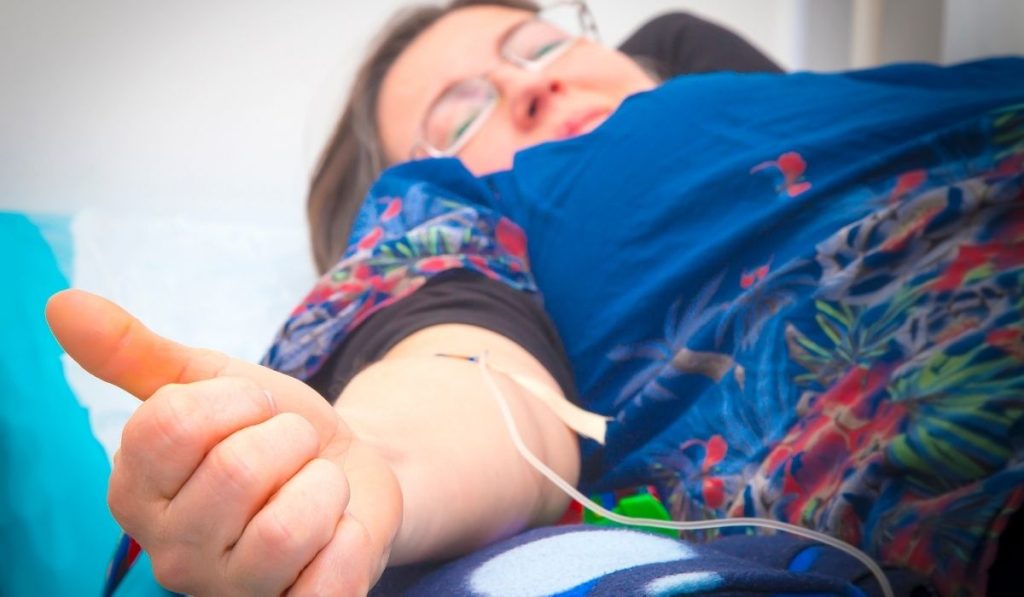
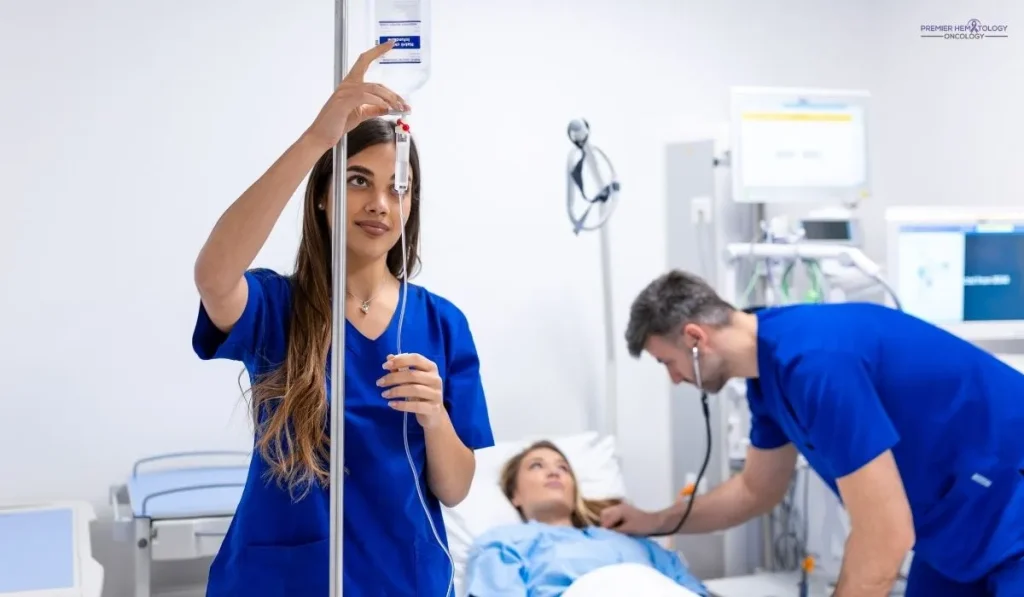
For a modest deficit, oral iron on alternate days is reasonable and inexpensive. For a large one — and postpartum deficits often are — intravenous iron replaces the whole thing in one or two visits of 45 to 90 minutes, rather than the three to six months tablets require. IV iron is compatible with breastfeeding.
For a stable woman with postpartum anemia, IV iron is often preferred over transfusion, because it refills stores rather than only raising hemoglobin, and avoids transfusion-related risks. Where transfusion is genuinely needed, iron replacement still matters afterward — a transfusion restores red cells without restocking the reserve.
Most patients notice energy improving within one to three weeks. Hair regrowth is slower, three to six months, because it follows the hair growth cycle rather than the infusion date.
Frequently Asked Questions
Why am I still exhausted months after giving birth?
Persistent fatigue, breathlessness, brain fog and hair shedding beyond six weeks postpartum are frequently caused by iron deficiency from pregnancy combined with delivery blood loss. A ferritin level and iron panel will show whether that is the cause.
How long does postpartum anemia last?
Without treatment it can persist for many months, because iron stores do not refill on their own. With intravenous iron the deficit is usually closed in one or two visits, and energy typically improves within one to three weeks.
Can I have an iron infusion while breastfeeding?
Yes. Intravenous iron is compatible with breastfeeding, and correcting the deficiency generally supports energy and recovery during the postpartum period.
Is postpartum hair loss related to iron?
Hair shedding around three to four months postpartum is partly hormonal and expected, but iron deficiency makes it heavier and more prolonged. Correcting iron helps, though regrowth takes three to six months.
Is iron deficiency linked to postpartum depression?
Postpartum iron deficiency has been associated with higher rates of postpartum depression as well as worse fatigue and concentration. It is one reason it is worth testing rather than assuming exhaustion is situational.
If the exhaustion has not lifted and nobody has checked your ferritin, that is the place to start. Premier Hematology treats iron deficiency and women’s blood health across 14 centers in the New York metro area and at our Atlanta clinic in Sandy Springs. Next-day appointments, on-site lab work, and no referral required — call (718) 866-3037 in New York or (770) 588-3570 in Atlanta, or book a consultation. More on pregnancy and postpartum anemia care in New York or in Atlanta.