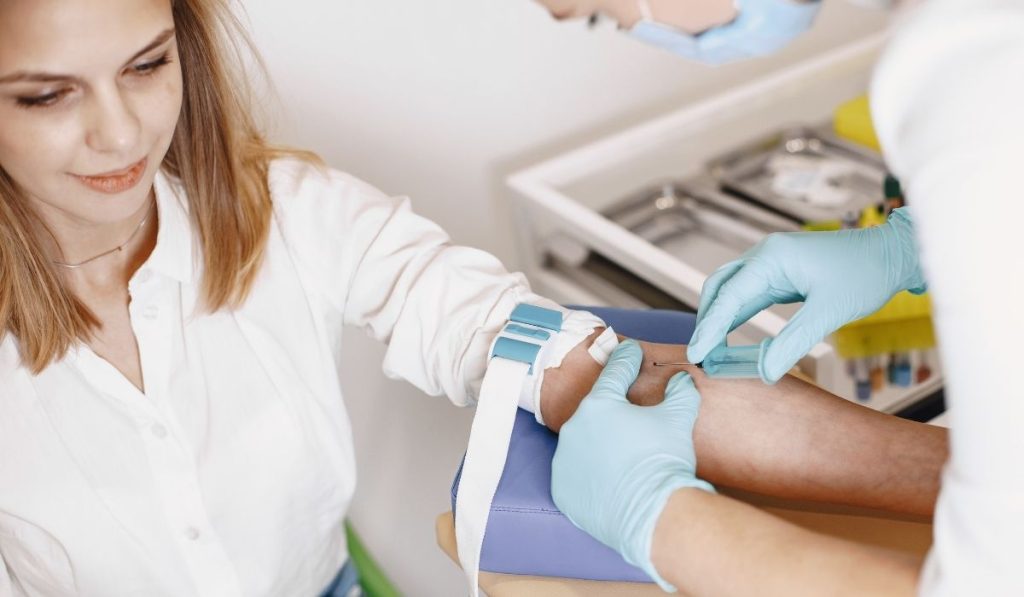

In recent years, home IV infusion therapy has emerged as a revolutionary solution in the healthcare industry.
More and more patients are now choosing to receive their treatments in the comfort and convenience of their homes, and for good reason.
Whether it’s for chronic illnesses, infections, dehydration, or nutritional deficiencies, home IV infusion therapy offers a practical and effective alternative to traditional hospital-based treatments.
As medical technology and healthcare infrastructure continue to evolve, this patient-centered approach is gaining rapid popularity among individuals of all ages and conditions.
In this article, we'll explore the reasons behind this significant shift, its benefits, and why home IV infusion therapy could be the future of outpatient care.
What Is Home IV Infusion Therapy?
IV (intravenous) infusion therapy involves the administration of fluids, medications, or nutrients directly into a patient's vein.
Traditionally, this procedure was performed in hospitals or clinics under medical supervision.
However, with advancements in portable IV equipment and remote monitoring technology, this therapy can now be safely and efficiently carried out in the patient’s home under the guidance of trained professionals.
Home IV infusion therapy is commonly used for a variety of conditions including:
- Infections that require antibiotics (e.g., cellulitis, osteomyelitis)
- Cancer treatments
- Multiple sclerosis
- Rheumatoid arthritis
- Crohn's disease
- Dehydration
- Nutritional deficiencies (e.g., vitamin B12 or iron)
- Pain management
Top Reasons Patients Are Switching to Home IV Infusion Therapy

Convenience and Comfort
One of the most compelling reasons patients switch to home IV infusion therapy is the unmatched comfort it provides.
Rather than commuting to and from hospitals or infusion centers multiple times a week, patients can receive treatment while relaxing at home, surrounded by familiar comforts.
This is particularly beneficial for those with mobility issues, chronic pain, or transportation challenges.
Imagine receiving your therapy in your own living room while watching your favorite show or spending time with loved ones.
This level of convenience not only improves the overall experience but also enhances treatment adherence and satisfaction.
Reduced Risk of Infections
Hospitals, by their very nature, can be breeding grounds for bacteria and viruses.
For patients with compromised immune systems, frequent visits to healthcare facilities can increase the risk of exposure to hospital-acquired infections (HAIs).
Home IV infusion therapy significantly reduces this risk by limiting unnecessary contact with public healthcare settings.
By staying in a controlled, familiar environment, patients can better manage their exposure and improve their overall health outcomes.
Cost-Effectiveness
Healthcare costs are a major concern for many patients and their families.
Treatments administered in hospitals often come with added facility charges, staff fees, and other overhead costs.
In contrast, home IV infusion therapy eliminates many of these expenses.
Studies have shown that home infusion therapy can be 30-60% more cost-effective than in-hospital treatments.
This makes it an attractive option not only for patients but also for insurance providers, many of whom now cover home infusion services as part of standard health plans.
Improved Quality of Life
Frequent hospital visits can disrupt daily routines, interfere with work, and put a strain on family life.
For patients managing chronic conditions, these disruptions can be both emotionally and physically exhausting.
By bringing care to the home, patients gain back control of their time.
They can maintain their routines, continue working (if able), and spend more quality time with family.
This sense of normalcy contributes greatly to emotional well-being and even accelerates recovery in some cases.
Enhanced Access to Care in Remote Areas
For individuals living in rural or underserved areas, access to specialized healthcare can be limited.
Traveling long distances for routine infusions isn't just inconvenient—it may not be feasible at all.
Home IV infusion therapy bridges this gap by delivering care directly to the patient's doorstep.
With telehealth capabilities, nurses and healthcare providers can monitor progress, adjust medications, and offer guidance in real time, regardless of the patient's location.
This is especially valuable during public health emergencies or natural disasters when traveling becomes even more difficult.
Customized Treatment Plans
When you receive care at home, there's an opportunity for a more personalized treatment plan.
Nurses and infusion specialists who visit patients at home often take a more holistic approach, tailoring the infusion schedule and environment to fit individual needs and preferences.
This patient-centric approach not only enhances treatment outcomes but also builds stronger relationships between patients and healthcare providers.
Many patients report feeling more respected, heard, and cared for when treatments are adapted to suit their personal lifestyle.
Faster Recovery and Better Outcomes
Research has shown that patients who receive IV therapies at home tend to recover more quickly and report higher satisfaction levels.
This may be due to a combination of factors: reduced stress, better rest, and fewer interruptions from hospital procedures.
Moreover, staying at home during treatment allows patients to avoid the physical and emotional toll of being in a clinical environment.
It also helps maintain a positive mindset—an important factor in healing and managing chronic diseases.
Family Support and Emotional Well-Being
Healing is not just physical—it's emotional and psychological, too.
Being at home allows patients to stay close to family, friends, and pets, all of which play a crucial role in mental health and emotional support.
Especially for elderly patients or children, having caregivers nearby during treatment reduces anxiety and fear.
Family members can also be more involved in the care process, becoming active participants in treatment and decision-making.
Safety and Professional Oversight
A common concern with at-home treatments is whether they are as safe and effective as hospital-based therapies.
The good news is that today's home IV infusion therapy is administered by licensed professionals who follow strict safety protocols.
Patients are assessed for suitability before beginning home therapy, and ongoing evaluations ensure continued safety.
Additionally, infusion nurses are trained to respond to adverse reactions, monitor vitals, and escalate issues when necessary.
With proper oversight and coordination, home infusion is a safe, effective alternative for many patients.
The Role of Technology in Making Home IV Infusion Therapy Possible
Modern healthcare technology plays a pivotal role in the success of home infusion therapy.
Portable infusion pumps, remote monitoring systems, and digital health platforms have made it easier than ever to deliver hospital-grade care at home.
Some features that support safe and effective home IV therapy include:
- Automated dosage monitoring
- Real-time communication between patients and care teams
- Electronic health records for seamless data sharing
- Mobile apps for appointment scheduling and reminders
These technologies empower both patients and providers to collaborate more efficiently and ensure high standards of care.
Insurance and Coverage: What You Need to Know
As demand grows, more insurance companies are recognizing the benefits of home IV infusion therapy.
Medicare, Medicaid, and most private insurers now cover home infusion services for a range of conditions.
However, coverage may vary depending on the specific medication, condition, and provider.
Before starting treatment, it's important to consult with your healthcare team and insurance company to understand:
- Which services are covered
- Whether a referral is needed
- What out-of-pocket costs may apply
- If preauthorization is required
With proper planning, patients can avoid financial surprises and ensure smooth access to care.
Final Thoughts
The trend toward home IV infusion therapy reflects a broader shift in healthcare—one that focuses on patient empowerment, convenience, and quality of life.
This method not only makes medical treatments more accessible and affordable, but it also respects the dignity and independence of patients by bringing care into the home.
As technology continues to improve and patient preferences evolve, home-based healthcare solutions will likely become the norm rather than the exception.
For many, switching to home IV infusion therapy is more than a medical decision—it's a lifestyle choice that brings peace of mind, better outcomes, and a renewed sense of control over their health journey.
FAQs
Who is eligible for home IV infusion therapy?
Patients with chronic conditions, infections requiring long-term antibiotics, cancer, autoimmune diseases, dehydration, or nutritional deficiencies may be eligible. Eligibility is typically determined by a physician based on the patient’s overall health, treatment type, and home environment.
What are the benefits of choosing home IV infusion therapy over hospital-based treatment?
Key benefits include greater comfort, reduced travel time, lower risk of hospital-acquired infections, better cost-effectiveness, and improved quality of life. Patients can maintain their daily routines and receive care in a familiar setting.
Is home IV infusion therapy safe?
Yes, it is safe when administered by licensed nurses or trained caregivers. Patients are carefully monitored, and infusion professionals follow strict safety protocols to minimize risks. Technology like portable pumps and telehealth support also adds an extra layer of protection.
What conditions can be treated with home IV infusion therapy?
Commonly treated conditions include:
- Infections (e.g., cellulitis, pneumonia)
- Cancer (chemotherapy support)
- Multiple sclerosis
- Crohn's disease
- Rheumatoid arthritis
- Severe dehydration
- Vitamin or iron deficiencies
- Post-surgical recovery
How do I get started with home IV infusion therapy?
You'll need a referral or prescription from your doctor. A home infusion service provider will assess your medical needs, set up necessary equipment, and assign trained nurses or caregivers to handle the treatment at your home.
Will my insurance cover home IV infusion therapy?
Most insurance providers—including Medicare and Medicaid—cover home IV infusion therapy for qualifying conditions. Coverage details can vary, so it's essential to check with your insurance company and home infusion provider for specific benefits and authorizations.