Most people expect to slow down a little as they age. But for many older adults, symptoms like fatigue, brain fog, shortness of breath, and feeling cold aren't just part of getting older — they're signs of anemia, a condition that is surprisingly common, often undiagnosed, and very treatable.
A Hidden Epidemic Among Seniors
Anemia, particularly iron deficiency anemia, affects more than 12% of adults over 60, and that number rises sharply with age. Yet it's often dismissed — by patients and even by physicians — as just a natural part of growing older.
In reality, untreated anemia can reduce quality of life, increase the risk of falls, fractures, hospitalizations, and worsen chronic conditions like heart disease or kidney failure.
What Is Anemia — and Why Does It Matter?
Anemia occurs when your body doesn't have enough healthy red blood cells to carry oxygen effectively. The result? Less energy for your muscles, your brain, and your vital organs.
While there are several causes of anemia, iron deficiency is among the most common and most treatable — especially in older adults.
Common Symptoms That Mimic Aging
Many older patients experience:
- Constant exhaustion, even with enough sleep
- Shortness of breath from light activity
- Dizziness or lightheadedness
- Cold hands and feet
- Difficulty concentrating or remembering things
- Pale skin or brittle nails
These symptoms are easy to write off — but they're not inevitable. Often, they're reversible with proper diagnosis and treatment.
Why Anemia Gets Missed in Older Adults
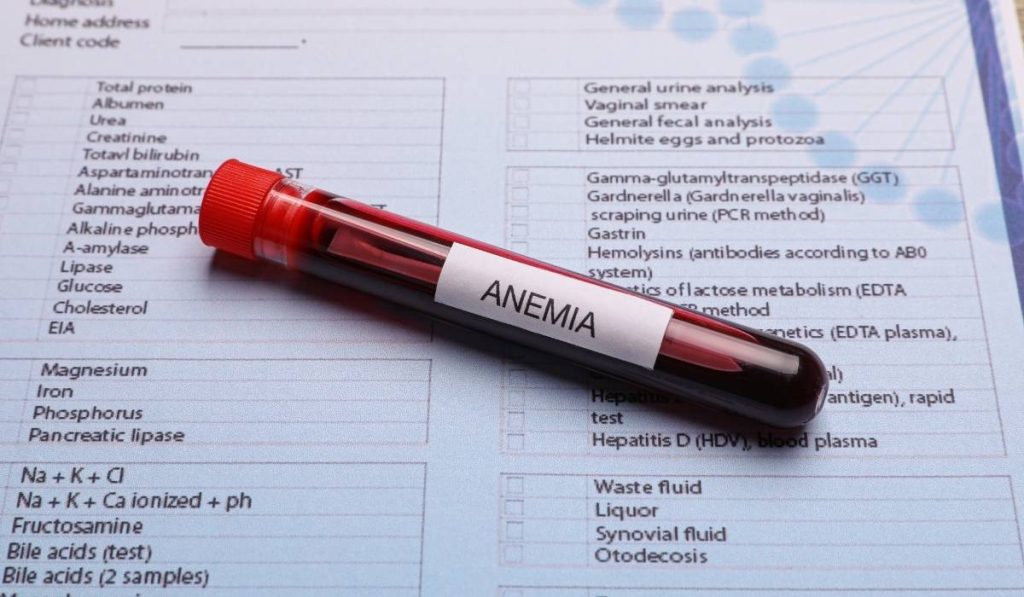
Doctors typically check for anemia as part of a standard Complete Blood Count (CBC) test. But even when low hemoglobin is detected, it's not always flagged as a concern — especially if symptoms are subtle or chalked up to aging.
Some studies suggest that nearly 1 in 5 older adults have anemia, but only a third have it documented in their medical records.
Why It Happens: Common Causes in Seniors
- Chronic conditions like heart, kidney, or inflammatory diseases
- Nutritional deficiencies (iron, B12, or folate)
- Surgery or blood loss, including hidden bleeding from ulcers or polyps
- Poor diet or reduced appetite due to aging
- Difficulty absorbing nutrients
In some cases, the cause remains unknown — but the impact is still real.
Oral Iron Isn't Always the Answer
Many doctors first prescribe over-the-counter iron supplements. But for older adults, these pills can cause constipation, nausea, and stomach cramps — and they're not always effective.
That's where IV iron infusions come in.
The IV Iron Difference
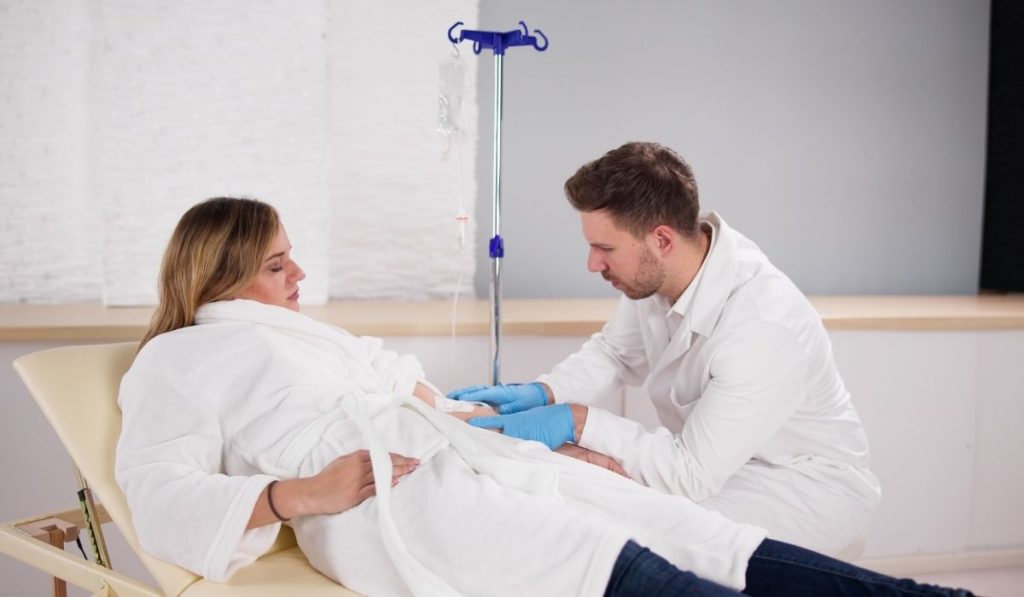
Intravenous iron therapy offers a faster, more reliable solution for many patients, especially when oral iron is ineffective or not tolerated. A single infusion can help restore iron levels — and patients often report feeling better within days.
At Premier Hematology and Oncology, we specialize in this kind of care. Our team offers next-day iron infusions at comfortable, accessible locations throughout New York and Georgia.
Don't Settle for "It's Just Age"
If you’re constantly tired or feel like you're not yourself, ask your doctor about your hemoglobin and ferritin levels. If they're low, it could be iron deficiency — and that's something we can fix.
Take the Next Step
You don't have to live with unexplained fatigue or brain fog. Let's find out if iron deficiency is the reason you're not feeling like yourself.