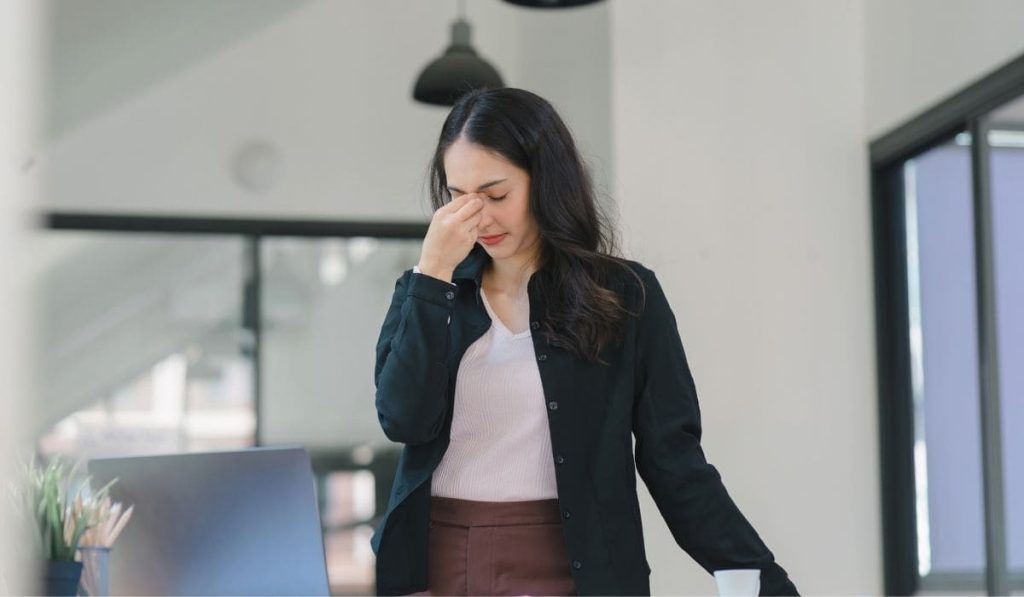

A headache after meal can be a frustrating and disruptive experience, affecting daily activities and overall well-being.
It can range from mild discomfort to severe migraines and may be triggered by various factors, including blood sugar fluctuations, food sensitivities, dehydration, high-histamine foods, and digestive disorders.
In some cases, a headache after eating may indicate an underlying health condition such as diabetes, hypertension, or metabolic imbalances.
Identifying the cause of these headaches is essential for effective prevention and management.
For individuals experiencing frequent headache after meal, seeking medical advice is crucial.
At Premier Hematology and Oncology, we specialize in diagnosing and treating conditions that may contribute to post-meal headaches.
Our comprehensive approach includes blood sugar and insulin resistance testing, food allergy and intolerance evaluations, digestive health assessments, and personalized treatment plans.
Whether your headaches stem from dietary triggers, hormonal fluctuations, or other medical concerns, our experts provide targeted solutions to help you achieve long-term relief.
If you regularly experience a headache after meal, it is important to address the underlying cause rather than just managing symptoms.
Schedule a consultation at Premier Hematology and Oncology to receive expert guidance and effective treatment tailored to your needs.
What is a Headache After Meal?
A headache after meal refers to pain or discomfort in the head that occurs shortly after eating.
The severity and duration can vary from mild and short-lived to persistent and debilitating.
Many factors contribute to a headache after meal, including dietary choices, hormonal imbalances, and digestive issues.
Identifying these triggers is crucial for effective management.
Common Causes of Headache After Meal

Blood Sugar Fluctuations (Reactive Hypoglycemia)
One of the most common reasons for a headache after meal is low blood sugar, also known as reactive hypoglycemia.
This occurs when the body produces excess insulin in response to a meal, leading to a rapid drop in blood glucose levels.
Symptoms of Blood Sugar-Related Headaches:
- Headache occurring within one to two hours after eating
- Dizziness or lightheadedness
- Fatigue and weakness
- Sweating and shakiness
- Irritability or mood swings
Prevention:
- Avoid refined sugars and processed carbohydrates
- Include protein and healthy fats in each meal to stabilize blood sugar
- Eat smaller, frequent meals instead of large meals
If you frequently experience a headache after meal, consult Premier Hematology and Oncology to check for insulin resistance, diabetes, or other metabolic disorders.
Food Sensitivities and Allergies
Certain foods can trigger a headache after meal, especially in individuals with food intolerances or allergies.
Common Trigger Foods:
- Dairy products (for those with lactose intolerance)
- Gluten (for people with celiac disease or gluten sensitivity)
- Monosodium glutamate (MSG) found in processed foods
- Artificial sweeteners such as aspartame
- Caffeine and alcohol
How to Identify Food Triggers:
- Keep a food diary to track meals and symptoms
- Try an elimination diet to determine specific intolerances
- Consider food allergy testing at Premier Hematology and Oncology
High Histamine Foods and Migraines
Histamine is a compound found in aged cheese, cured meats, wine, and fermented foods.
Some people have difficulty breaking down histamine, leading to a headache after meal.
Symptoms of Histamine Intolerance:
- Headache or migraine after eating
- Nasal congestion
- Flushing of the skin
- Digestive discomfort
Management:
- Avoid high-histamine foods
- Consider taking DAO (diamine oxidase) supplements, which help break down histamine
- Seek medical advice if you suspect histamine intolerance
Dehydration and Electrolyte Imbalance
Not drinking enough water or consuming too much salty or processed food can lead to dehydration, triggering a headache after meal.
Prevention:
- Drink at least eight glasses of water daily
- Limit caffeine and alcohol, which contribute to fluid loss
- Eat water-rich foods like fruits and vegetables
Blood Pressure Changes
Certain foods, particularly those high in sodium or caffeine, can cause fluctuations in blood pressure, leading to a headache after meal.
High Blood Pressure-Related Headaches:
- Common in individuals with hypertension
- Often triggered by salty foods, caffeine, and alcohol
Low Blood Pressure-Related Headaches:
- May be caused by postprandial hypotension (a drop in blood pressure after eating)
- More common in older adults and individuals with diabetes
If you experience frequent headaches related to blood pressure changes, visit Premier Hematology and Oncology for a comprehensive evaluation.
Digestive Disorders and Gut-Brain Connection
Gastrointestinal issues can contribute to a headache after meal, particularly in individuals with conditions such as:
- Irritable Bowel Syndrome (IBS)
- Leaky Gut Syndrome
- Gastroparesis (delayed stomach emptying)
How to Support Digestive Health:
- Eat fiber-rich foods to support gut bacteria
- Avoid fried and ultra-processed foods
- Consider probiotics to improve digestion
When Should You Be Concerned?
A headache after meal can sometimes indicate an underlying medical condition such as:
- Diabetes or prediabetes
- Hypertension
- Chronic migraines
- Thyroid disorders
- Anemia or vitamin deficiencies
If your symptoms persist or worsen, a consultation at Premier Hematology and Oncology can help diagnose and manage the root cause of your headaches.
How to Prevent Headache After Meal
Dietary Adjustments
- Eat balanced meals with protein, fiber, and healthy fats
- Avoid processed foods, artificial sweeteners, and high-sodium foods
- Drink plenty of water to prevent dehydration-related headaches
Lifestyle Modifications
- Manage stress levels through meditation or exercise
- Get at least seven to eight hours of sleep per night
- Maintain a consistent meal schedule to prevent blood sugar fluctuations
Medical Consultation & Treatment
If you frequently experience a headache after meal, seeking medical advice is essential to identify underlying causes and receive effective treatment.
At Premier Hematology and Oncology, our team specializes in diagnosing and managing conditions that contribute to headaches after eating. We offer:
- Blood sugar and insulin resistance testing to detect metabolic imbalances.
- Food allergy and intolerance testing to identify dietary triggers.
- Comprehensive digestive health evaluations to assess gut-related headache causes.
- Personalized treatment plans tailored to address your specific needs.
Benefits of Medical Consultation and Treatment:
- Enhanced hydration for improved overall wellness.
- Essential vitamins and minerals to support immune function.
- Increased energy levels and overall vitality for better daily performance.
- Detoxification to eliminate harmful toxins from the body.
- Stress reduction for improved mental clarity and relaxation.
- Accelerated recovery from physical exertion, illness, or chronic conditions.
If you’re struggling with headache after meal, our specialists at Premier Hematology and Oncology can help you find the root cause and develop a customized treatment plan.
Schedule a consultation today to regain control of your health and well-being.
Conclusion
A headache after meal can be caused by various factors, including blood sugar imbalances, food sensitivities, dehydration, histamine intolerance, and digestive disorders.
Identifying the root cause is essential for effective treatment and long-term relief.
At Premier Hematology and Oncology, we are committed to helping individuals address the underlying causes of their symptoms.
If you frequently experience a headache after meal, schedule a consultation today to receive expert guidance and a tailored treatment plan.
Take Control of Your Health
Visit Premier Hematology and Oncology to learn more about personalized treatment options for a headache after meal.
Don’t let recurring headaches affect your quality of life—seek professional care and find relief.
FAQs
Why do I get a headache after meal?
A headache after meal can be caused by various factors, including blood sugar fluctuations, food sensitivities, dehydration, high histamine foods, and digestive disorders. Identifying specific triggers and making dietary or lifestyle adjustments can help prevent headaches after eating.
Can certain foods trigger a headache after meal?
Yes, common food triggers include dairy, gluten, processed foods with MSG, artificial sweeteners, caffeine, and alcohol. High-histamine foods like aged cheese, wine, and cured meats can also contribute to headaches in sensitive individuals.
How can I prevent a headache after meal?
To prevent a headache after meal, eat balanced meals with protein, fiber, and healthy fats to stabilize blood sugar. Stay hydrated, avoid trigger foods, and maintain a consistent meal schedule. Keeping a food diary can also help identify patterns.
When should I see a doctor for headaches after eating?
If you frequently experience a headache after meal along with other symptoms such as dizziness, nausea, extreme fatigue, or blood pressure changes, it's important to seek medical attention. Underlying conditions like diabetes, hypertension, or food intolerances may require professional evaluation.
Can a headache after meal be a sign of a more serious condition?
In some cases, a headache after meal may indicate an underlying health condition such as insulin resistance, migraines, hypertension, or digestive disorders. Consulting a healthcare provider, such as Premier Hematology and Oncology, can help determine the root cause and provide effective treatment.
Does dehydration contribute to a headache after meal?
Yes, dehydration is a common trigger for headaches, especially if meals contain high amounts of sodium or processed foods. Drinking enough water before and after meals can help prevent dehydration-related headaches.
Can digestive issues cause a headache after meal?
Yes, gastrointestinal conditions like acid reflux, irritable bowel syndrome (IBS), or food intolerances can lead to inflammation and headaches after eating. Poor digestion can affect nutrient absorption and trigger headaches. Consulting a medical specialist can help determine if digestive issues are a contributing factor.
Can stress or anxiety contribute to a headache after meal?
Yes, stress and anxiety can trigger a headache after meal by causing muscle tension, poor digestion, and blood sugar fluctuations. Emotional stress may also lead to unhealthy eating habits that increase headache risk. Managing stress through relaxation techniques and mindful eating can help prevent post-meal headaches.