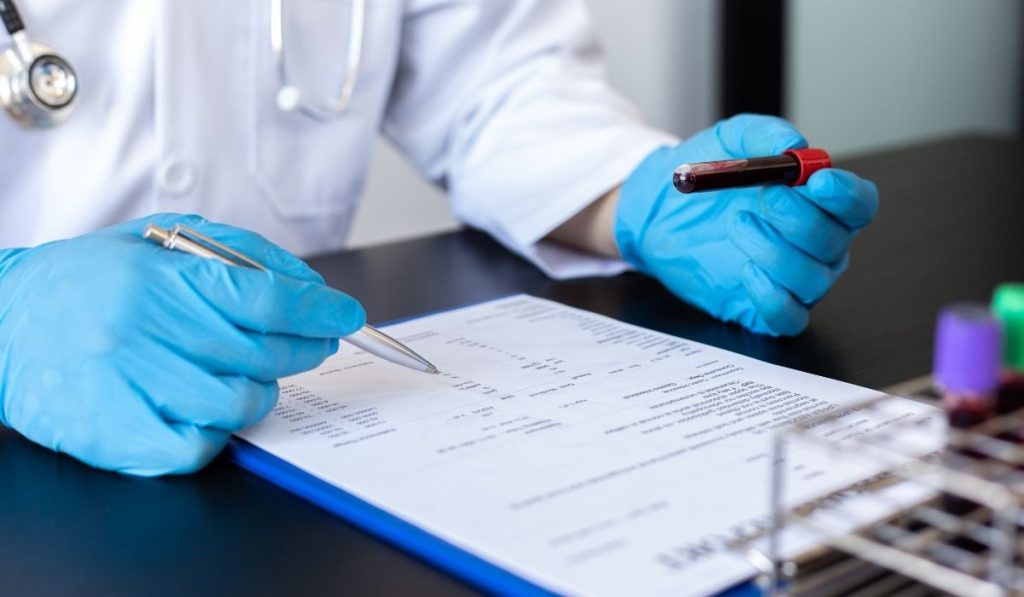
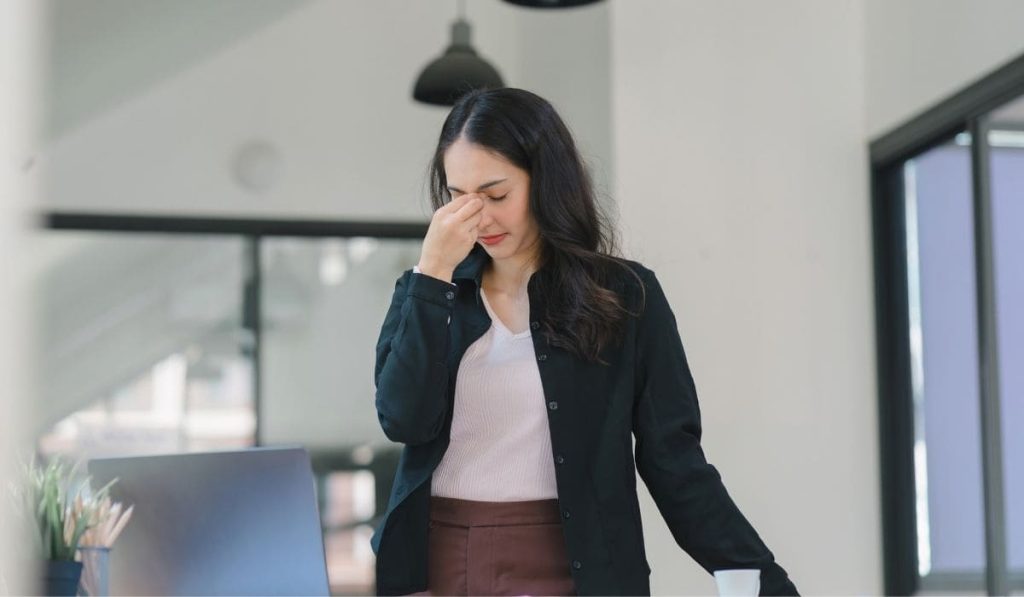
Post-viral fatigue is tiredness and weakness that lingers after a viral infection such as flu, COVID-19 or a bad cold. For most people it improves steadily and is gone within 2 to 6 weeks. If you are not getting better after about a month, or you feel worse, get a blood test. Anemia, low iron and thyroid problems are common, treatable reasons fatigue hangs on.
Still tired? Check the treatable causes first
Still exhausted a month after being sick?
Low iron and anemia are among the most common, and most treatable, reasons fatigue hangs on. Find out in minutes:
What is post-viral fatigue?
After an infection, your immune system stays switched on for a while. The same signals that fight the virus also make you feel drained, achy, foggy and in need of sleep. Add a week or two in bed, poor sleep and eating less, and it is no surprise that energy takes time to return.
Common symptoms include tiredness that sleep does not fix, weak or heavy limbs, brain fog, headaches, a faster heart rate on exertion, and getting worn out by things that used to be easy.
How long does post-viral fatigue last?
For most people, energy comes back gradually over 2 to 6 weeks. Here is what a typical recovery looks like, and when to stop waiting:
| Time since you got sick | What is typical | What to do |
|---|---|---|
| Weeks 1–2 | Tired, weak, needing extra sleep as the infection clears | Rest, fluids, eat regularly |
| Weeks 2–4 | Energy coming back, but you tire faster than usual | Pace yourself; ease back into activity |
| Weeks 4–6 | Most people are close to normal | If you are not improving, get a blood test |
| Over 6 weeks | Not typical: something else may be adding to it | See a doctor; check blood count, iron, thyroid |
| Over 3–6 months | May meet criteria for long COVID or ME/CFS | Specialist evaluation |
Recovery varies with the virus, your age and your health before you got sick. These are general patterns, not rules.
Why am I so weak after being sick?
Several things stack up. Inflammation itself causes fatigue. Days of rest cost muscle strength surprisingly fast. Fever and poor appetite leave you short of fluids and calories. Sleep is often disrupted for weeks.
There is also a blood connection that often gets missed. Inflammation raises a hormone called hepcidin, which locks iron away so it cannot be used to make red blood cells. If your iron was already low before you got sick, which is very common in women with heavy periods, in pregnancy and after childbirth, an infection can tip you into anemia. You then feel the virus’s fatigue plus the fatigue of low iron, and the second one does not go away on its own.
Is it just recovery, or something else?
If your fatigue comes with any of these, a simple blood test can usually tell you why:
| If you also notice… | It could point to | The test that answers it |
|---|---|---|
| Breathless on stairs, racing heart, pale skin, dizziness when standing | Anemia | Complete blood count (CBC) |
| Heavy periods, hair shedding, restless legs, craving ice | Iron deficiency (with or without anemia) | Ferritin and iron panel |
| Feeling cold, weight gain, constipation, dry skin | Underactive thyroid | TSH |
| Tingling hands or feet, sore tongue, memory fog | Low vitamin B12 or folate | B12 and folate levels |
| Easy bruising, frequent infections, swollen glands | A blood count problem worth a closer look | CBC with differential, then a hematologist |
| A crash a day or two after any exertion | Post-exertional malaise (seen in ME/CFS and long COVID) | Clinical evaluation; strict pacing |
One tip if you get tested soon after an illness: ferritin, the main iron-stores test, rises with inflammation, so it can look normal even when iron is low. Ask for transferrin saturation alongside it, or recheck a few weeks after you recover.
How to beat post-viral fatigue: 7 things that help
1. Pace yourself. Do a little less than you feel able to, rather than pushing on good days and crashing the next. Pacing is the most effective tool for lingering post-viral fatigue.
2. Return to exercise gradually. Start with short walks and build up by small steps each week. If exertion makes you crash a day later, scale back and talk to your doctor.
3. Protect your sleep. Keep regular hours, and limit daytime naps to 20–30 minutes so they do not wreck the night.
4. Eat enough, including protein and iron. Meat, fish, eggs, beans and lentils, and leafy greens, with vitamin C to help iron absorb.
5. Drink enough fluids. Dehydration after a fever makes weakness and dizziness worse.
6. Don’t guess with supplements. Iron pills can help if you are iron deficient, but taking them blind can mask the problem, cause side effects, and be harmful if your iron is actually high. Test first.
7. Get checked if you are not improving. Four to six weeks without clear progress is the point to see a doctor and get blood work, not to keep pushing through.
When to see a doctor
Get urgent care for shortness of breath at rest, chest pain, fainting, confusion, or a fever that comes back after you started to feel better, which can signal a secondary infection such as pneumonia.
Book a visit if fatigue lasts beyond 4 to 6 weeks, keeps getting worse, or comes with unexplained weight loss, night sweats, swollen glands, easy bruising, heavy periods or the symptoms in the table above.
See a hematologist if your blood test shows anemia, low ferritin, or a low or high white cell or platelet count that has not recovered after the illness. Premier Hematology sees patients without a referral, with next-day appointments and labs drawn on site, at 14 New York centers and in Atlanta. Book a consultation or take the Iron Score first.
Frequently Asked Questions
How long does post-viral fatigue last?
Most people recover within 2 to 6 weeks, with energy returning gradually. Fatigue lasting more than about 6 weeks is not typical and is worth a doctor's visit and blood test. Symptoms lasting 3 to 6 months or longer may meet the criteria for long COVID or ME/CFS.
How do you beat post-viral fatigue?
Pace yourself, return to exercise gradually, protect your sleep, eat enough protein and iron-rich food, and stay hydrated. If you are not clearly improving after 4 to 6 weeks, get a blood test, because anemia, low iron and thyroid problems are common, treatable reasons fatigue persists.
Why am I so tired and weak after being sick?
Inflammation from the infection causes fatigue directly, and rest, poor sleep and eating less add to it. Inflammation also locks away iron, so an infection can push someone with already low iron into anemia, which keeps fatigue going after the virus is gone.
Can the flu or COVID cause anemia?
Infections can cause a temporary drop in hemoglobin through inflammation, and they can unmask iron deficiency that was already there. A complete blood count and ferritin test show whether that is happening.
What blood tests should I get for fatigue after an illness?
A complete blood count, ferritin with an iron panel, thyroid (TSH), vitamin B12 and folate, and a basic metabolic panel are a sensible starting point. Ferritin can read falsely normal soon after an illness, so transferrin saturation helps.
Should I take iron for post-viral fatigue?
Only if a blood test shows you are iron deficient. Iron helps when iron is low, but taking it without testing can hide the cause, cause side effects, and be harmful if your iron is already high.
When should I worry about fatigue after the flu?
Seek urgent care for breathlessness at rest, chest pain, fainting, or a fever that returns. Book a doctor's visit if fatigue lasts more than 4 to 6 weeks, worsens, or comes with weight loss, night sweats, easy bruising or swollen glands.
Fatigue that outlasts the virus deserves an answer. Premier Hematology treats iron deficiency and women’s blood health across 14 centers in the New York metro area and at our Atlanta clinic in Sandy Springs. Next-day appointments, on-site lab work, and no referral required — call (718) 866-3037 in New York or (770) 588-3570 in Atlanta, or book a consultation.