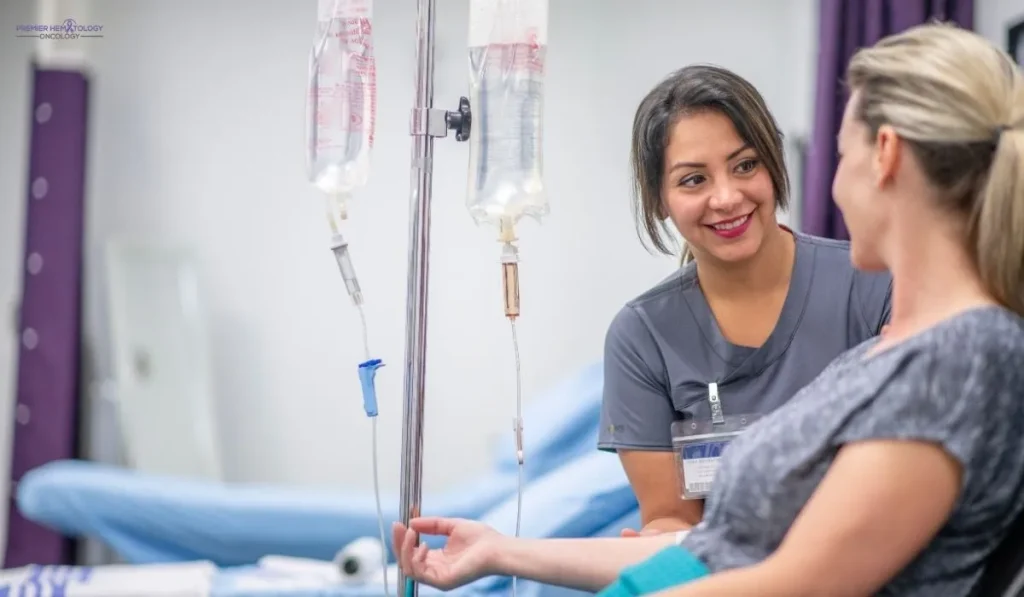

Anemia in pregnancy is most often caused by iron deficiency, and doulas are frequently the first to notice it. Watch for exhaustion out of proportion to the pregnancy, breathlessness, dizziness, ice cravings and restless legs. Encourage your client to ask for a ferritin test — hemoglobin alone often misses it — and to see a hematologist if her levels are low or iron pills are not working.
Why so many pregnant clients run low on iron
A single pregnancy needs roughly 1,000 mg of extra iron: to expand the mother’s blood volume by up to half, to build the placenta, and to fill the baby’s own stores for the first months of life. Most of that demand lands in the second and third trimesters, when the requirement climbs to several times what she needed before pregnancy.
Few women start pregnancy holding that much in reserve. Years of heavy periods, a previous pregnancy close behind this one, a vegetarian diet, bariatric surgery or celiac disease all leave the tank lower. So iron deficiency is the most common nutritional deficiency in pregnancy, and it often goes undiagnosed until the third trimester or after delivery.
None of this is a reflection of what your client did wrong. It is arithmetic: the demand is high, and diet alone rarely closes the gap.
Signs a doula is well placed to notice
Prenatal visits are short. You may spend hours with a client in a single week, and see things her provider never does. These are worth gently raising:
- Exhaustion that seems beyond normal pregnancy tiredness, or that worsens through the second trimester rather than easing
- Breathlessness with light effort — climbing one flight of stairs, a short walk
- Dizziness, lightheadedness or a racing heart
- Craving ice, starch, clay or other non-foods (pica), which is strongly linked to iron deficiency
- Restless, crawling sensations in the legs at night
- Pale skin, inner eyelids or nail beds; brittle nails; hair shedding
- Headaches, brain fog, or feeling cold all the time
- Low mood or irritability she doesn’t recognize in herself
Many of these overlap with ordinary pregnancy, which is exactly why they get waved away. The pattern matters more than any one symptom: several together, or one that keeps getting worse, deserves a blood test rather than reassurance.
Reading the numbers on her lab sheet
Your client may share her results with you. You aren’t interpreting them for her — but understanding them helps you encourage the right questions.
Hemoglobin (Hb or Hgb) measures oxygen-carrying red cells. Blood volume expands in pregnancy and dilutes it slightly, so the thresholds are lower than usual. Anemia in pregnancy is generally defined as hemoglobin below about 11 g/dL in the first and third trimesters, and below about 10.5 g/dL in the second.
Ferritin reflects stored iron, and it is the number that matters most. Stores empty long before hemoglobin falls, so a woman can have a “normal” blood count with almost nothing in reserve. Many specialist guidelines now treat a ferritin below 30 ng/mL as iron deficiency in pregnancy. Ferritin is not part of a standard CBC, so it often hasn’t been checked at all.
MCV (red cell size) and transferrin saturation add detail; small red cells and low saturation both point toward iron deficiency. B12 and folate are checked too, because they cause a different kind of anemia that iron will not fix.
A normal hemoglobin tells you she isn’t anemic today. A ferritin tells you whether she has anything left in the tank for the weeks ahead — and for delivery.
Why it matters for the birth you’re supporting
Iron deficiency anemia in pregnancy has been associated with preterm birth, low birth weight, and a greater chance of needing a blood transfusion at delivery. Going into labor with low hemoglobin leaves less reserve if bleeding is heavier than expected.
It can also change the birth itself. Many home-birth midwives and birth centers require hemoglobin above a set level late in pregnancy, and a client who misses it may need to change her plans. We cover that in detail in hemoglobin requirements for home birth and birth centers.
And it carries into the fourth trimester. Postpartum iron deficiency is linked to fatigue, low mood and postpartum depression — see low iron, breastfeeding and postpartum mood.
How to bring it up with your client
Doulas don’t diagnose, and your client’s OB or midwife leads her medical care. What you can do is help her advocate for herself. A few questions she can take to her next appointment:
- “Can you check my ferritin, not just my blood count?”
- “My iron pills are making me sick — is there another option?”
- “I’ve been on iron for six weeks. Can we recheck to see if it’s working?”
- “Would it help to see a hematologist before my due date?”
If she’s already been told she’s low, a hematologist can move faster than a general prescription. Oral iron takes weeks to months, and it fails for many women because of side effects or poor absorption — more on that in iron pills making pregnancy worse? In the second and third trimesters, IV iron can replace the full deficit in one or two visits. Read is IV iron safe during pregnancy? for the safety picture.
Clients at higher risk
Some clients are more likely to run low and are worth extra attention from early in pregnancy:
- Heavy periods in the years before pregnancy
- Pregnancies less than 18 months apart
- Twins or higher-order multiples
- Vegetarian or vegan diets, or significant food aversions
- Severe nausea and vomiting (hyperemesis) limiting what she can eat
- Bariatric surgery, celiac disease or inflammatory bowel disease
- Clients who decline blood transfusion and need the strongest possible reserve going into labor
Frequently Asked Questions
What are the signs of anemia in pregnancy?
The most common signs are exhaustion beyond normal pregnancy tiredness, breathlessness with light activity, dizziness, a racing heart, pale skin, restless legs, and cravings for ice or other non-foods. Several of these together are a reason to ask for a ferritin test and full iron panel.
What hemoglobin level is anemia in pregnancy?
Anemia in pregnancy is generally defined as hemoglobin below about 11 g/dL in the first and third trimesters and below about 10.5 g/dL in the second trimester. Ferritin, which measures stored iron, often falls well before hemoglobin does.
Can a doula recommend iron supplements?
Doulas can share general information and encourage clients to ask about iron, but dosing and treatment decisions belong to the client’s OB, midwife or hematologist. The most useful thing a doula can do is help a client ask for a ferritin test and follow up if she feels no better.
When should a pregnant woman see a hematologist for anemia?
When ferritin or hemoglobin is low and oral iron has not worked, cannot be tolerated, or there isn’t enough time before delivery for it to work. Anemia that is not clearly from iron deficiency, or a client who declines blood transfusion, are also good reasons to see a specialist.
Does a pregnant woman need a referral to see a hematologist in New York?
Not at Premier Hematology. Clients can book directly, or a doula can refer them with their permission, and we coordinate with the client’s OB or midwife after the visit.
If a client keeps telling you she’s exhausted and nobody has checked her ferritin, that’s the first step. Premier Hematology sees pregnant and postpartum women with low iron at 14 centers across New York, usually within 24–48 hours, with on-site labs and no referral required — call (718) 866-3037 or book a consultation. Doulas can refer a client directly through our doula partner pathway.